

Smart home gadgets once felt like pure novelty – voice-controlled lights and fridges that could order milk sounded impressive at parties but didn’t necessarily make financial sense. That’s changed. Today’s smart home devices increasingly justify their price tags through measurable savings on utility bills, home insurance premiums, and even property values. The key is knowing which devices deliver actual returns and which are still just expensive conveniences. We’re focusing on the gadgets that genuinely earn their keep through lower bills, extended product lifespan, or quantifiable peace of mind.
Quick Takeaways
- Smart thermostats can cut heating and cooling bills by up to 15% annually
- Smart lighting reduces energy consumption for lighting by up to 40%
- Security systems may qualify you for insurance discounts
- Smart plugs eliminate vampire energy drain from idle devices
The devices that matter most are rarely the flashiest. While a smart mirror might be fun, the gadgets that truly pay for themselves tend to address the biggest drains on your household budget: heating, cooling, lighting, and phantom power consumption. These are the workhorses that quietly trim your monthly expenses without requiring you to change your daily habits significantly.
Smart Thermostats That Actually Learn
The standout performer in terms of return on investment remains the smart thermostat. Devices like the Nest Learning Thermostat or Ecobee models don’t just let you adjust temperature from your phone – they actively study your patterns and automatically optimize heating and cooling schedules. Smart thermostats can help homeowners save up to 10-15% on heating and cooling bills annually, which translates to real money when you consider that heating and cooling typically account for nearly half of home energy costs.
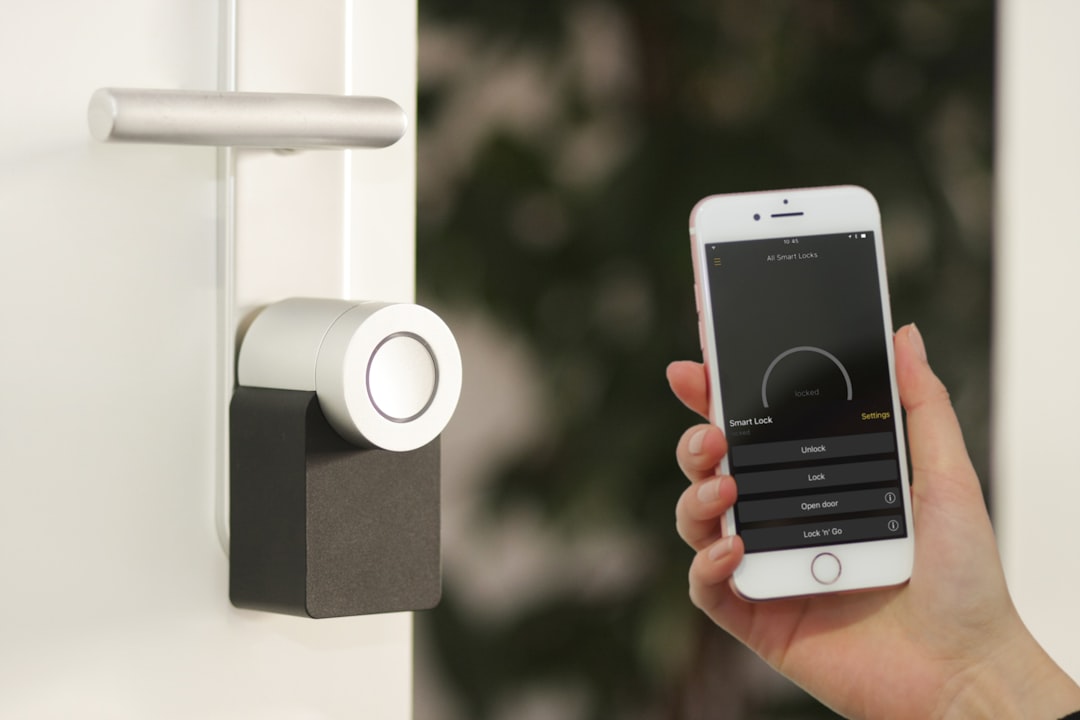
What makes these devices particularly valuable is their ability to adapt. If you typically leave for work at 8 a.m. and return at 6 p.m., the thermostat learns this pattern and stops heating or cooling an empty house. Many models also integrate with weather forecasts, preemptively adjusting for temperature changes and avoiding the inefficiency of your system working overtime against a sudden cold snap or heat wave.
The payback period for most smart thermostats runs between one and three years, depending on your climate zone and how aggressively your previous thermostat was programmed. In regions with extreme temperatures – either very hot summers or frigid winters – the savings come faster. The device essentially becomes a permanent member of your household budget team, making micro-adjustments you’d never bother to make manually but that collectively add up.
🤨 The Curious Bit
Properties equipped with smart home technology can sell for an average of 5-10% more than comparable homes without these features, making your gadgets an investment in resale value as well as monthly savings.
Smart Lighting Beyond the Gimmick
Smart bulbs initially seemed like a solution in search of a problem – after all, how hard is flipping a light switch? But the real value isn’t convenience; it’s efficiency and longevity. LED smart bulbs use a fraction of the energy traditional incandescent bulbs consume, and because you can dim them precisely or set them to turn off automatically when rooms are empty, the savings compound. Smart lighting systems can reduce energy consumption for lighting by up to 40%, according to energy studies.
Motion sensors paired with smart bulbs work particularly well in spaces like hallways, bathrooms, and garages where lights often get left on accidentally. The lights come on when you enter and shut off a few minutes after you leave. No app required, no voice commands – just automatic efficiency. Over the 15- to 25-year lifespan of a quality LED smart bulb, you avoid dozens of bulb replacements and see measurably lower electric bills.

Outdoor smart lighting deserves special mention. Programmable landscape and porch lights that only activate during specific hours or when motion is detected provide security benefits while avoiding the waste of all-night illumination. Some systems adjust brightness based on ambient light levels, so your dusk-to-dawn lights aren’t blazing at full power on a full-moon night when less light is needed.
Vampire energy – the power drawn by devices in standby mode – accounts for a surprising chunk of household electricity use. Phone chargers, coffee makers, printers, game consoles, and entertainment systems all sip power even when supposedly off. A single smart plug costs around fifteen to thirty dollars and can completely cut power to devices when they’re not in use, eliminating this phantom drain.
The beauty of smart plugs is their versatility. You can set schedules so your coffee maker only has power during morning hours, or configure them to turn off your entertainment center at midnight. Some models monitor energy consumption in real time, letting you identify which devices are the worst offenders. If you discover your ancient desktop computer in guest-room-turned-office is pulling significant power even in sleep mode, you can set the smart plug to cut it off entirely overnight.
For households with electric water heaters, a heavy-duty smart plug or switch can ensure the heater only runs during off-peak electricity hours if you’re on a time-of-use rate plan. The savings here can be substantial, especially in areas where peak-hour electricity costs significantly more than off-peak rates.
Security Systems With Insurance Perks
Monitored smart security systems often qualify homeowners for insurance discounts, which can offset a meaningful portion of the system’s cost. Insurance providers view professionally monitored systems – those that alert a monitoring center when alarms trigger – as reducing the risk of major theft or property damage losses. Discounts typically range from 5% to 20% on the homeowner’s insurance premium, depending on the provider and the comprehensiveness of the system.
Beyond the insurance angle, smart security cameras and doorbell cameras reduce package theft and provide documentation if theft does occur. Video doorbells let you see and speak with delivery drivers even when you’re not home, allowing you to direct them to safe drop-off locations or defer delivery. The psychological deterrent effect is real – visible cameras and alarm system signs make your home a less attractive target compared to houses without these visible protections.
Water leak detectors are an under-appreciated category of smart home security. These inexpensive sensors sit near water heaters, under sinks, near washing machines, and in basements, sending alerts the moment moisture is detected. Catching a leak in its first minutes rather than discovering it days later can prevent thousands of dollars in water damage and mold remediation. Some insurance companies now offer discounts specifically for leak detection systems, recognizing their effectiveness in preventing costly claims.
To sum things up
The smart home devices worth buying in 2026 aren’t necessarily the ones with the most features or the slickest apps. They’re the ones that address expensive inefficiencies in your home: wasted heating and cooling, lights left burning, phantom power loads, and preventable damage from leaks or intrusions. Smart thermostats, LED smart lighting, energy-monitoring plugs, and security systems with monitoring services consistently deliver returns that justify their upfront costs.
The pattern is clear across all these devices – they work best when they automate good habits you’d struggle to maintain manually. You might intend to adjust the thermostat every time you leave the house, but you won’t always remember. You might mean to unplug the coffee maker after breakfast, but it’s easy to forget. Smart devices handle the tedious optimization work, and the savings show up month after month on your utility and insurance bills. That’s the definition of earning your keep.
Questions People Ask
How long does it take for a smart thermostat to pay for itself?
Most smart thermostats pay for themselves within one to three years through energy savings. If you’re currently using a basic non-programmable thermostat or live in a climate with extreme seasonal temperatures, you’ll likely hit payback sooner – sometimes within the first year. The device continues generating savings for as long as you use it, typically a decade or more.
Do smart home devices really affect home resale value?
Yes, homes with smart technology consistently sell for more than comparable homes without it. Real estate data shows smart-equipped properties commanding premiums of 5-10% in many markets. Buyers particularly value installed smart thermostats, whole-home security systems, and smart locks. Portable devices like smart plugs or bulbs don’t typically add resale value since they’re easily removed.
Will my insurance company actually give me a discount for a security system?
Many insurance providers offer discounts for monitored security systems, though the specifics vary by company and state. The key word is “monitored” – systems that alert a professional monitoring service typically qualify, while standalone cameras or self-monitored setups may not. Contact your insurance agent directly to ask about available discounts and which systems qualify before purchasing.
Are smart plugs worth it for just a few devices?
Even controlling just a few high-consumption or always-on devices can make smart plugs worthwhile. Focus on entertainment centers, space heaters, window AC units, or devices with transformers that stay warm even when off. At fifteen to thirty dollars per plug with no subscription fees, you need to save only a few dollars per month in electricity to break even within a year or two.