
Refreshing a room doesn’t require a renovation budget or a complete furniture overhaul. Sometimes the smallest tweaks deliver the biggest visual impact, transforming a tired space into something that feels brand new. Whether you’re working with a tight budget or simply don’t want the hassle of a major project, strategic little changes can breathe fresh life into any room. The secret lies in knowing which updates pack the most punch for the least effort and expense. From rearranging what you already own to making tiny swaps that shift the entire mood, these budget-friendly transformations prove that feeling like you’ve redecorated doesn’t have to cost a fortune.
The beauty of small-scale room refreshes is that they’re reversible, low-risk, and often take just an afternoon. You’re not committing to permanent alterations or expensive mistakes. Instead, you’re experimenting with visual weight, color, light, and texture in ways that can be undone or adjusted as your taste evolves. Let’s explore the changes that consistently make rooms feel new without draining your wallet or requiring professional help.
Quick Takeaways
- Rearranging furniture costs nothing and instantly changes how a room feels
- Paint on one accent wall delivers dramatic impact for minimal investment
- Swapping hardware and textiles refreshes style without structural changes
- Decluttering makes space feel larger and smarter immediately
Move What You Already Have
Rearranging your existing furniture is the ultimate free room refresh. Interior designers consistently recommend furniture rearrangement as a zero-cost way to create an entirely new layout and improve how the room functions. Pulling a sofa away from the wall, angling chairs to create conversation zones, or swapping pieces between rooms can completely shift the energy of a space.
The psychological impact is real. When you walk into a room with a different furniture arrangement, your brain processes it as a novel environment. You notice architectural features you’d stopped seeing. Traffic flow improves. Natural light hits surfaces differently throughout the day. Even the acoustics can change when you reposition upholstered pieces or move hard surfaces away from corners.
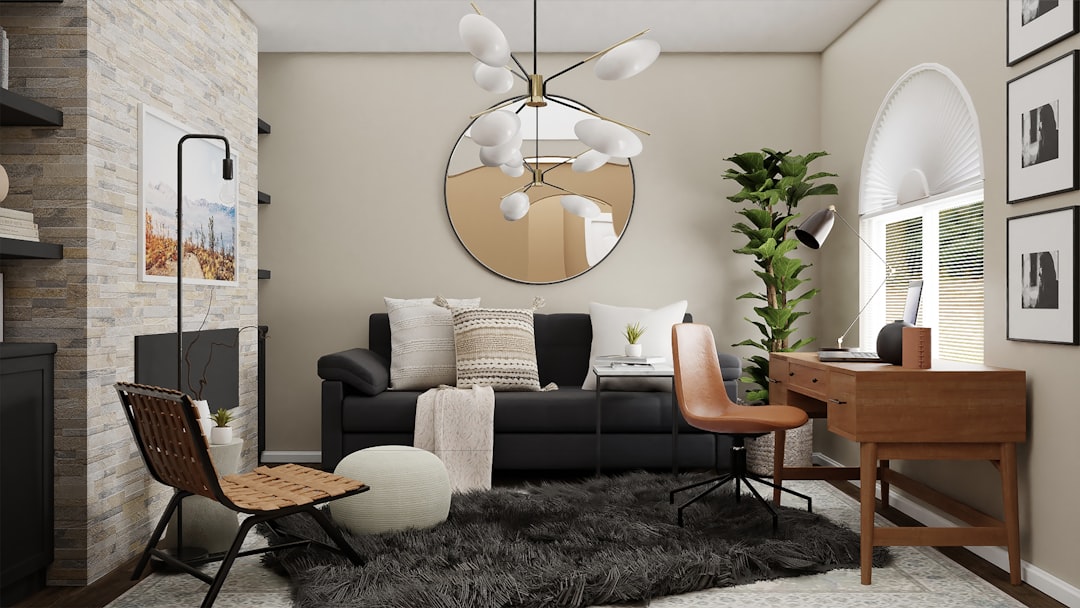
Start by measuring your room and sketching a simple floor plan. Identify your focal points, whether that’s a fireplace, a large window, or a media console, then arrange seating to face or complement that feature. Don’t be afraid to float furniture in the middle of the room rather than pushing everything against walls. This creates intimacy in large spaces and makes small rooms feel more purposeful. Try diagonal placements for visual interest, and always leave enough clearance for comfortable movement, typically around three feet for main pathways.
Paint Just One Wall
A single gallon of paint and a weekend afternoon can transform a room more dramatically than almost any other budget change. An accent wall creates a focal point, adds depth, and introduces color without the commitment or expense of painting the entire space. You’re looking at spending somewhere between twenty and fifty dollars for quality paint, plus basic supplies if you don’t already own brushes and tape.
Choose the wall behind your bed, the one your sofa faces, or any surface you want to draw attention to. Darker colors create cozy, dramatic backdrops that make lighter furniture pop. Lighter shades in contrast to existing wall colors brighten a space and create the illusion of more square footage. You don’t need to stick with neutrals, either. Deep greens, rich terracottas, or moody blues can anchor a room’s entire color scheme and make everything else feel more cohesive and intentional.
The prep work matters more than the actual painting. Clean the wall, fill any holes or cracks with spackle, and apply painter’s tape along edges for clean lines. Use a primer if you’re going from light to dark or covering a bold existing color. Two coats usually deliver better depth and coverage than one thick application. The difference you’ll see once the tape comes off and the new color interacts with your lighting throughout the day makes this one of the highest-value changes you can make.
🤨 The Curious Bit
Strategically placing mirrors doesn’t just make rooms look bigger by reflecting light, it also doubles your view of whatever the mirror faces, effectively expanding visual square footage without moving a single wall.
Swap the Small Hardware and Textiles
Cabinet knobs, drawer pulls, light switch plates, curtain rods, and throw pillow covers are the jewelry of a room. When they’re outdated or mismatched, the whole space reads as tired. Updating these small elements is an affordable way to shift from traditional to modern, from brass-era to matte black, or from country farmhouse to sleek minimalist without touching the bigger, more expensive components.
Kitchen and bathroom cabinet hardware is particularly impactful because you interact with it multiple times daily. Replacing dated brass or worn wooden knobs with contemporary pulls in brushed nickel, oil-rubbed bronze, or even colorful ceramic options instantly modernizes cabinetry. Most hardware installs with a simple screwdriver, and you can find stylish options for just a few dollars per piece. The visual consistency of matching hardware throughout a space makes everything look more finished and considered.
Textiles work the same magic. New throw pillow covers, a different area rug, or swapping heavy drapes for light linen panels changes the room’s texture, color palette, and seasonal feel. You’re not buying new furniture or reupholstering, you’re just changing the soft layers. This is especially effective when you rotate textiles seasonally. Lighter fabrics and cooler tones for warm months, warmer textures and deeper colors for cooler seasons. These small swaps keep a room feeling current and responsive to how you’re actually living in it.
Remove More Than You Add
Decluttering might be the most underestimated room refresh. Removing excess furniture, clearing surfaces of unnecessary objects, and editing your decor down to only the pieces you love creates breathing room that makes everything else look better. A crowded room feels chaotic no matter how nice the individual items are. A streamlined room with intentional empty space feels luxurious and calm.
Start by removing anything you don’t use regularly or genuinely enjoy looking at. That doesn’t mean stripping the room bare, but it does mean being honest about whether the decorative bowl on the coffee table or the extra chair in the corner is adding to or cluttering the space. Clear flat surfaces like countertops, side tables, and dressers so only a few carefully chosen items remain. This makes the room easier to clean, visually simpler, and allows your eye to rest on the things that actually matter.
Reorganizing what stays also counts. Group similar items together. Use baskets or trays to corral small objects so they read as one unit instead of scattered clutter. Tuck away cords and cables. Store rarely used items in closets rather than leaving them out in plain sight. The result is a room that feels like it has more space, better flow, and a clearer sense of purpose. You’ll be surprised how much newer a room can feel when you simply take things out of it rather than constantly adding more.
Use Mirrors and Lighting to Shift the Mood
Light changes everything about how a room feels, and you can manipulate it without rewiring or hiring an electrician. Adding a large mirror opposite a window or in a dark corner reflects natural light throughout the space, making small rooms appear larger and dim areas feel brighter. Mirrors also create visual depth, tricking the eye into seeing more square footage than actually exists.
Strategic lamp placement works just as well. Swap out harsh overhead lighting for softer, layered sources like table lamps, floor lamps, or wall sconces. Different light temperatures also shift mood. Warm-toned bulbs create coziness, while cooler daylight bulbs feel crisp and energizing. You can buy smart bulbs that let you adjust both brightness and color temperature throughout the day, adapting your room’s atmosphere to match your activities or the season.
Lamp shades themselves can be swapped out just like pillow covers. A dated shade might be dimming an otherwise stylish lamp. Replacing it with a drum shade, a linen option, or even a colorful patterned version updates the fixture without buying an entirely new lamp. If your room has builder-grade overhead fixtures, consider changing out the cover or globe for something with more personality. These small lighting tweaks compound to create an entirely different ambiance that makes the room feel thoughtfully designed rather than simply furnished.
To sum things up
Refreshing a room doesn’t demand a renovation timeline or a credit card workout. The most effective changes are often the smallest ones, the tweaks that shift how light moves through a space, how your eye travels around it, and how the room supports your daily life. Rearranging furniture you already own costs nothing but an afternoon. A single accent wall brings color and focus for the price of a gallon of paint. Swapping outdated hardware and rotating textiles updates style without structural commitment. Decluttering creates breathing room that makes everything look more intentional.
These aren’t temporary tricks or Instagram-ready hacks that fall apart under scrutiny. They’re practical, reversible interventions that respect both your budget and your time. The cumulative effect of three or four small changes can be just as powerful as one expensive overhaul, and you maintain control over the process from start to finish. When a room feels tired, the solution isn’t always to spend more. Sometimes it’s about editing smarter, moving thoughtfully, and trusting that the smallest shifts often deliver the freshest results.
Questions People Ask
What is the cheapest way to make a room feel new?
Rearranging your existing furniture is the cheapest method because it costs nothing at all. Shifting layout, pulling pieces away from walls, or swapping furniture between rooms creates an entirely new feel without spending a cent. Decluttering and removing excess items is equally free and delivers an immediate visual refresh.
Does painting one wall really make a difference?
Painting a single accent wall creates a focal point and adds depth without the time or expense of painting an entire room. The contrast draws attention, defines space, and introduces color in a controlled way. For minimal cost and effort, it delivers one of the most noticeable transformations you can make.
How do mirrors make a room look bigger?
Mirrors reflect both natural and artificial light, distributing brightness more evenly and making dim areas feel larger. They also create visual depth by reflecting the room back on itself, which tricks your eye into perceiving more space than physically exists. Placing a large mirror opposite a window maximizes this effect.
Is it worth changing cabinet hardware?
Yes, updating cabinet hardware is one of the highest-impact, lowest-cost changes you can make, especially in kitchens and bathrooms. Swapping dated knobs and pulls for modern options instantly modernizes the space without replacing cabinets. Most hardware costs just a few dollars per piece and installs with a screwdriver in minutes.