A small garden doesn’t mean you have to skip the art. In fact, a well-chosen sculpture can become the heart of your outdoor space, drawing the eye and adding personality year-round. The challenge is making it work without overwhelming what little room you have. Placed thoughtfully, even a modest piece can transform a compact yard into something that feels intentional and complete. The trick is knowing where to put it, what size makes sense, and how to use your garden’s natural lines to show it off.
Whether you’re working with a narrow courtyard, a tiny townhouse plot, or a pocket garden squeezed between buildings, sculpture placement is less about following rigid rules and more about understanding how your space actually functions.
Quick Takeaways
- Smaller sculptures prevent visual clutter in compact gardens
- Reflective pieces bring light to dark corners and expand perceived space
- Position sculptures at path ends or framed views for discovery moments
- Consider kitchen window views where you’ll see the piece daily
Scale Matters More Than You Think
The most common mistake in a small garden is choosing a piece that’s too large for the space. It’s tempting to go big for impact, but an oversized sculpture can make a compact area feel cramped rather than curated. Small gardens benefit from smaller sculptures that add charm without overwhelming the space, letting the piece complement rather than dominate.

Think about how the sculpture relates to everything around it. A piece that reaches above your waist might work beautifully in one corner but feel intrusive in another. Height matters, but so does visual weight. A solid bronze sphere might have more presence than a tall, slender wire form even if the wire piece is technically taller. The material, color, and shape all contribute to how much space the sculpture seems to occupy.
You also want to consider how the piece looks from different distances. In a small garden, you’re rarely standing far from anything. A sculpture that looks striking from across a lawn might feel too detailed or busy when you’re constantly within arm’s reach of it. Test the scale by setting up something similar in size, a cardboard box, a bucket, anything that helps you visualize the actual footprint before you commit.
Using Light and Reflection to Expand Space
One of the smartest moves in a small garden is working with reflective materials. Polished metal, glazed ceramic, or even glass sculptures can be an asset by bringing reflected light and creating the impression of more space in dark corners. This isn’t just about making things brighter; it’s about adding depth and movement to areas that might otherwise feel flat or forgotten.
Reflective sculptures catch sunlight at different times of day, creating shifting patterns and highlights that change the mood of your garden without any effort on your part. A stainless steel piece tucked into a shaded nook can bounce whatever light does reach it, making that corner feel more alive. The same principle works with water features that include sculptural elements. The surface of the water adds another reflective layer, doubling the effect.
Placement is key here. You want the reflective surface angled to catch light from windows, open sky, or pathways rather than just reflecting the ground or a fence. Experiment with positioning before you anchor anything permanently. Move the piece around at different times of day to see where it picks up the most interesting light. You’ll notice that even a slight shift can completely change how the sculpture interacts with its surroundings.
🤨 The Curious Bit
Sculptures can serve as focal points in a small garden, adding interest year-round, including during winter when most plants have died back and the garden might otherwise feel bare.
Creating Sightlines and Discovery Moments
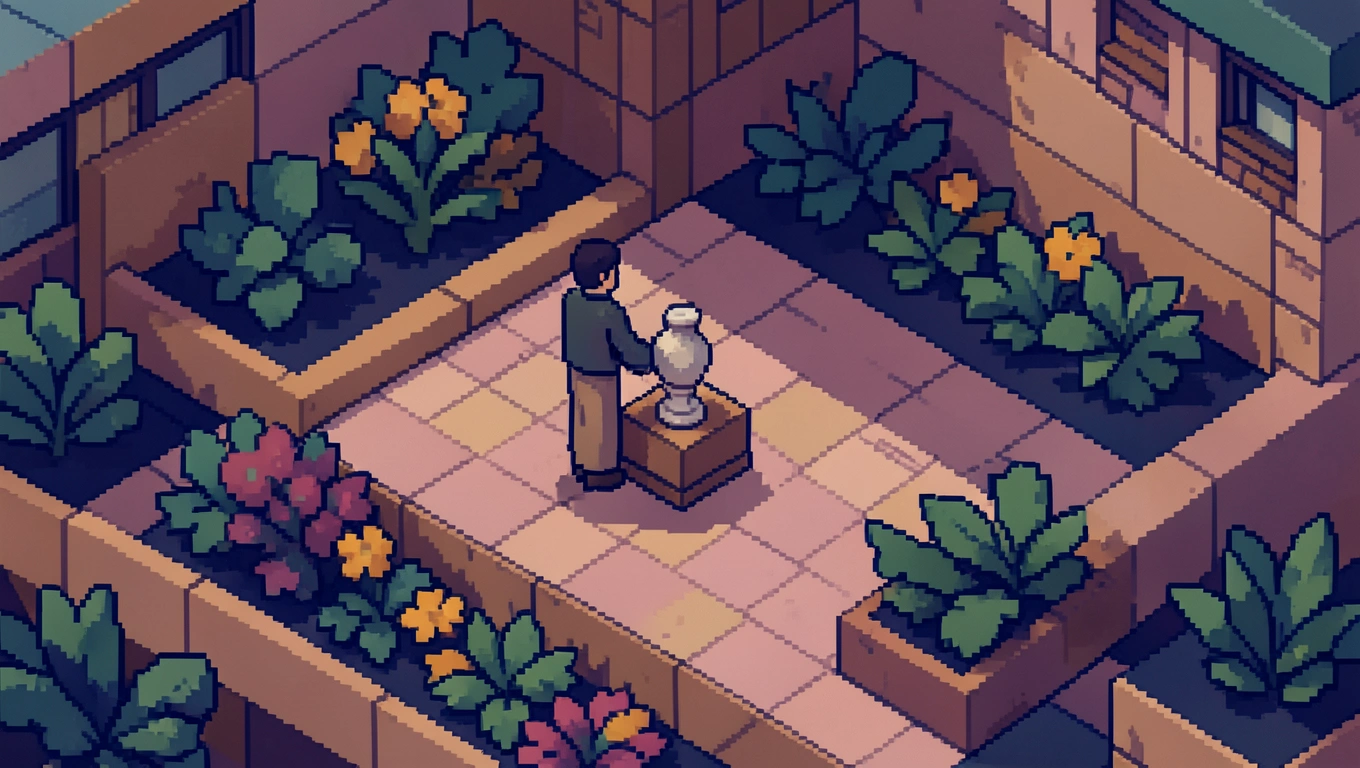
Small gardens have an advantage when it comes to sculpture: you can create a sense of journey even in a tiny space. Positioning a sculpture at the end of a path or framed by an archway can enhance its presence and create a sense of discovery, turning a simple walk to the back of your yard into something that feels more intentional.
The idea is to use your garden’s existing structure to lead the eye. If you have a stepping stone path, even a short one, placing a sculpture at its terminus gives people a reason to follow it. The same works with sight lines through doorways, between planted beds, or underneath a climbing rose. When you frame a sculpture within the architecture or plantings of your garden, it feels like you’re revealing something rather than just plopping art in an empty spot.
This approach works especially well in gardens that are long and narrow. Positioning a sculpture at the far end draws the eye down the length of the space, making it feel more expansive than it actually is. You can layer this effect by using plants or structures to partially obscure the sculpture from certain angles, so it comes into full view only when you reach a specific spot.
Thinking About Indoor Views
Here’s something many people overlook: you probably spend more time looking at your garden from inside your house than you do actually standing in it. That makes the view from your windows one of the most important considerations when placing a sculpture. Considering the view from inside the house, particularly from windows like the kitchen, is crucial for optimal sculpture placement, as this is where it will often be seen daily.
Walk through your house and note which windows you look through most often. The kitchen sink window is usually a big one. So is any window near a frequently used seating area. Position your sculpture so it’s visible from these spots, and suddenly your garden becomes part of your interior experience. You get to enjoy the piece while you’re cooking, eating breakfast, or just glancing outside.
This doesn’t mean the sculpture has to be centered in every window’s frame. Sometimes an offset placement is more interesting, giving you a reason to shift your gaze and engage with the garden layout. Just make sure the piece isn’t hidden by a shrub or blocked by something you didn’t account for. Stand at the actual window, not just in the general area, and check the sightline at different times of day. Morning light hits differently than afternoon sun, and you want to know what you’re working with.
Materials and Weather Considerations
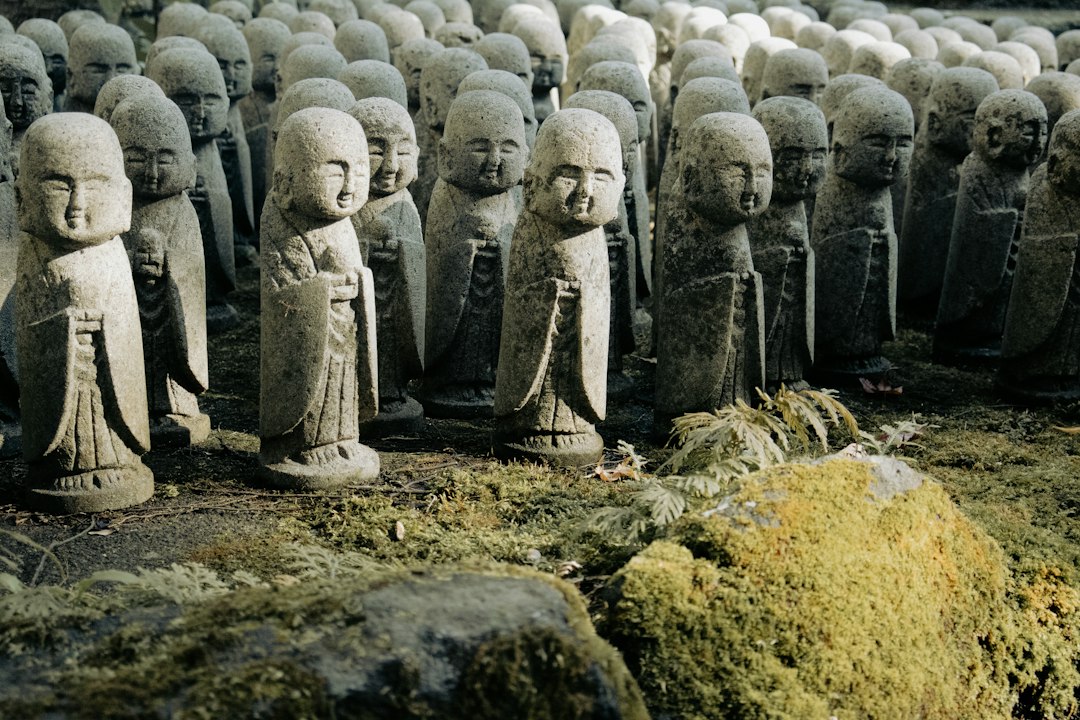
In a small garden, your sculpture is going to be close to everything: walls, plants, paving, and moisture. That means the material you choose matters more than it might in a sprawling estate garden where pieces have room to breathe. Stone and cast concrete age gracefully and develop moss or patina over time, which can add character. Metal sculptures, depending on the finish, might rust intentionally or need protecting from the elements.
Some materials interact with their environment in ways that enhance the garden. Weathered steel develops a rich, rusty surface that complements earth tones in planting. Copper turns green with verdigris, which can echo foliage colors. Understanding how a sculpture will age in your specific climate helps you anticipate whether it will blend in or stand out over the years.
You also want to think about maintenance. A small garden means you’re going to be working around the sculpture regularly: weeding, planting, pruning. A delicate piece that requires careful handling or frequent cleaning might become a nuisance. Choose something that can take a little incidental contact and won’t demand constant upkeep. Durability isn’t boring; it’s practical, especially when you’re dealing with limited space and close quarters.
Anchoring the Piece Without Permanence
One benefit of working in a small garden is flexibility. You’re not locked into permanent installations the way a large landscape might require. Many sculptures work perfectly well on a simple base, a flat stone, a concrete paver, a shallow bed of gravel, allowing you to move them seasonally or as your garden evolves.
Even if you want the sculpture to stay put, you can achieve stability without pouring a foundation. A wide, heavy base keeps most pieces secure in normal weather. For taller or more top-heavy sculptures, sinking a post or stake into the ground and attaching the piece can provide the anchor you need without making the installation permanent. This approach also protects the sculpture in high winds or if you live somewhere with freeze-thaw cycles that shift the ground.
Flexibility also means you can experiment. If a sculpture isn’t working where you first placed it, you can shift it without undoing major construction. Small gardens change as plants mature, and what looked perfect in year one might need adjustment in year three. Being able to adapt keeps your garden feeling fresh without starting from scratch.
To sum things up
Placing a sculpture in a small garden is about making the most of what you have. It’s not about cramming in decoration, it’s about adding a point of focus that brings cohesion and personality to the space. The right piece, in the right spot, can make a compact garden feel complete, giving your outdoor area a finished quality that’s hard to achieve with plants alone.
You don’t need a large budget or a sprawling lawn to make sculpture work. You just need to be thoughtful about scale, placement, and how the piece interacts with light, sightlines, and the view from inside your home. When you get it right, that sculpture becomes something you notice every day, a small detail that anchors your garden and reminds you why you put effort into the space in the first place. And in a small garden, where every element is on display, that kind of intentionality makes all the difference.
Questions People Ask
What size sculpture is best for a small garden?
Choose a sculpture that’s proportional to your space, typically no taller than waist to chest height for most small gardens. The piece should feel like a complement to the garden, not the only thing you notice. Consider visual weight as well as actual size, since a dense, dark sculpture can dominate more than a tall, airy one. When in doubt, go smaller. You can always add a second piece later if the first one feels too modest.
Where should I place a sculpture in a narrow garden?
In a narrow garden, place the sculpture at the far end to draw the eye down the length of the space and create a sense of depth. Alternatively, position it to one side within a planted bed to break up the linear feel and add visual interest without blocking the path. Avoid centering it in the middle of a narrow walkway, which can make the space feel even more constricted.
Can I use multiple sculptures in a small garden?
You can, but restraint is key. In a small space, two or three smaller pieces often work better than one large one, as long as they’re spaced out and not competing for attention. Make sure they share a common thread, similar material, style, or theme, so the garden feels cohesive rather than cluttered. Each piece should have its own moment rather than crowding together in one area.
What’s the best material for outdoor sculpture in a small space?
Stone, metal, and high-quality resin all work well and hold up to weather. Stone and concrete age beautifully and blend naturally with plantings. Metal sculptures, especially those in weathered steel or bronze, develop patina over time and add texture. Choose based on the look you want and how much maintenance you’re willing to do. Avoid materials that will fade, crack, or require frequent sealing if you want something low-maintenance.