
Walk into the right small shop and something clicks. Maybe it’s the owner who remembers your name, or the way they wrap your purchase with care, or simply how the place feels like it was built for people like you. Whatever the reason, you find yourself coming back, choosing this spot over the convenience of a chain or the endless scroll of online options. That loyalty doesn’t happen by accident. Small shops that keep customers returning have figured out a handful of fundamentals that turn a single visit into a lasting relationship, and understanding what drives that choice reveals something interesting about how we all decide where to spend our money.
The pull of a familiar small business runs deeper than transactions. These shops create an experience that larger retailers struggle to replicate, mixing personal connection with consistent quality and a shopping environment that feels genuinely different. When you understand what makes customers return, you see how small businesses compete not by doing everything bigger chains do, but by doing things those chains can’t.
Quick Takeaways
- Personal service and genuine connection build emotional loyalty that keeps customers coming back
- Consistent product quality creates trust that beats convenience every time
- Unique offerings and sensory experiences differentiate small shops from chains
- The ability to physically interact with products matters more than many realize
The Power of Personal Connection
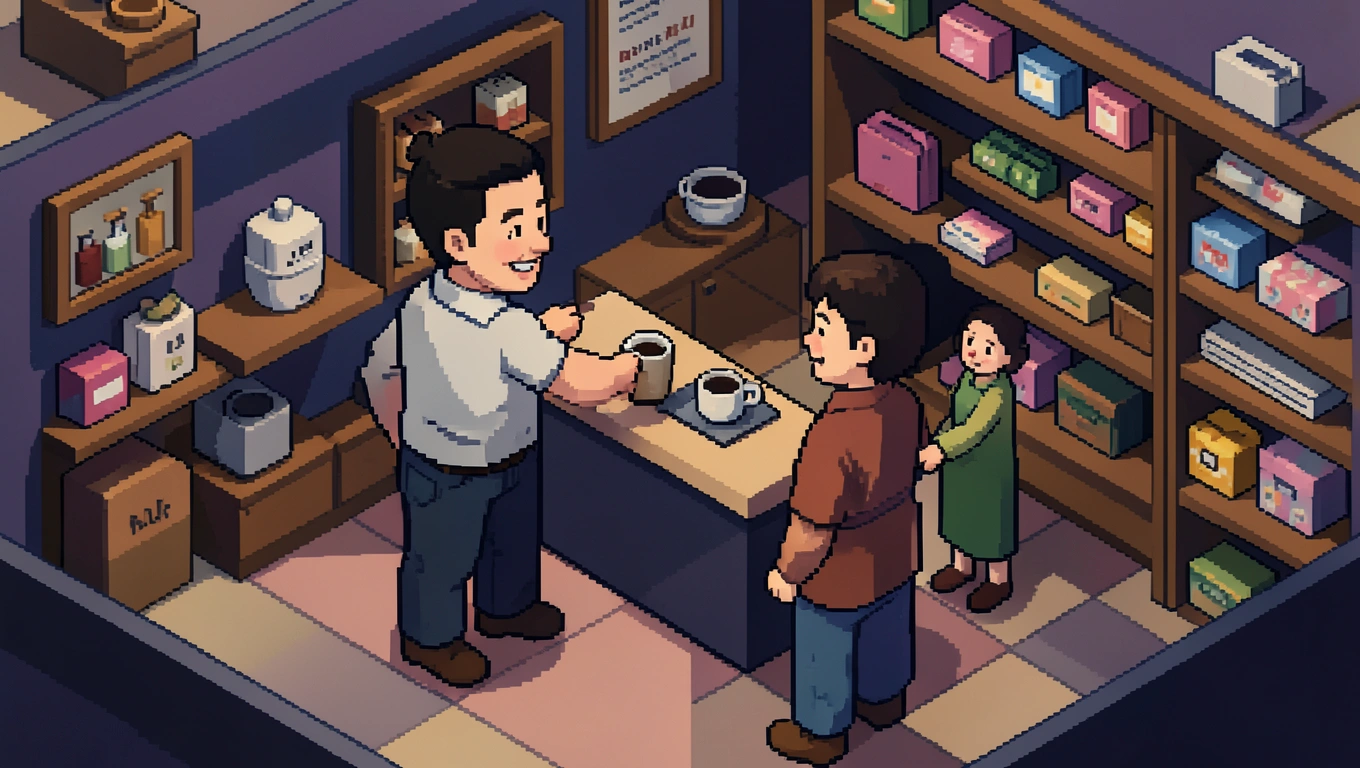
When the barista starts making your usual order before you reach the counter, that’s not just good service. It’s recognition, and recognition creates emotional attachment. Small shops have a natural advantage here because the same people work the floor day after day. They learn your preferences, remember your last conversation, and treat you like an individual rather than transaction number 47 of the shift.

This personal attention builds what researchers call emotional loyalty. You’re not just buying a product; you’re maintaining a relationship. The shop owner who asks about your daughter’s graduation or suggests a product based on what you bought last month is creating a connection that Amazon’s recommendation algorithm can’t touch. That human element transforms a simple purchase into an interaction that feels good, and we tend to seek out experiences that make us feel valued.
Small business owners who master this understand something crucial: customers remember how you made them feel long after they forget what they paid. When you walk into a shop and someone greets you by name, offers thoughtful advice without pushing a sale, or simply makes genuine conversation, you’re more likely to return even if the price is slightly higher or the location less convenient. The emotional connection customers develop with small businesses often outweighs purely practical considerations.
Consistent Quality You Can Count On
No amount of charm saves a shop that sells inferior products. Customers return to small businesses that deliver reliable quality every single time. This consistency builds a different kind of trust – the confidence that you won’t be disappointed, that your money will be well spent, that the product will perform as expected.
🤨 The Curious Bit
Customers frequently choose to return to small shops because they can immediately see, touch, and test products in person – a tangible advantage that online shopping simply can’t replicate no matter how many photos are posted.
Small shops that understand this curate their inventory carefully. They don’t try to stock everything; they stock the right things and stand behind them. When a local bookstore hand-selects titles, or a boutique carries brands the owner personally tests, customers notice. That curation signals expertise and care, and it reduces the risk of buyer’s remorse.
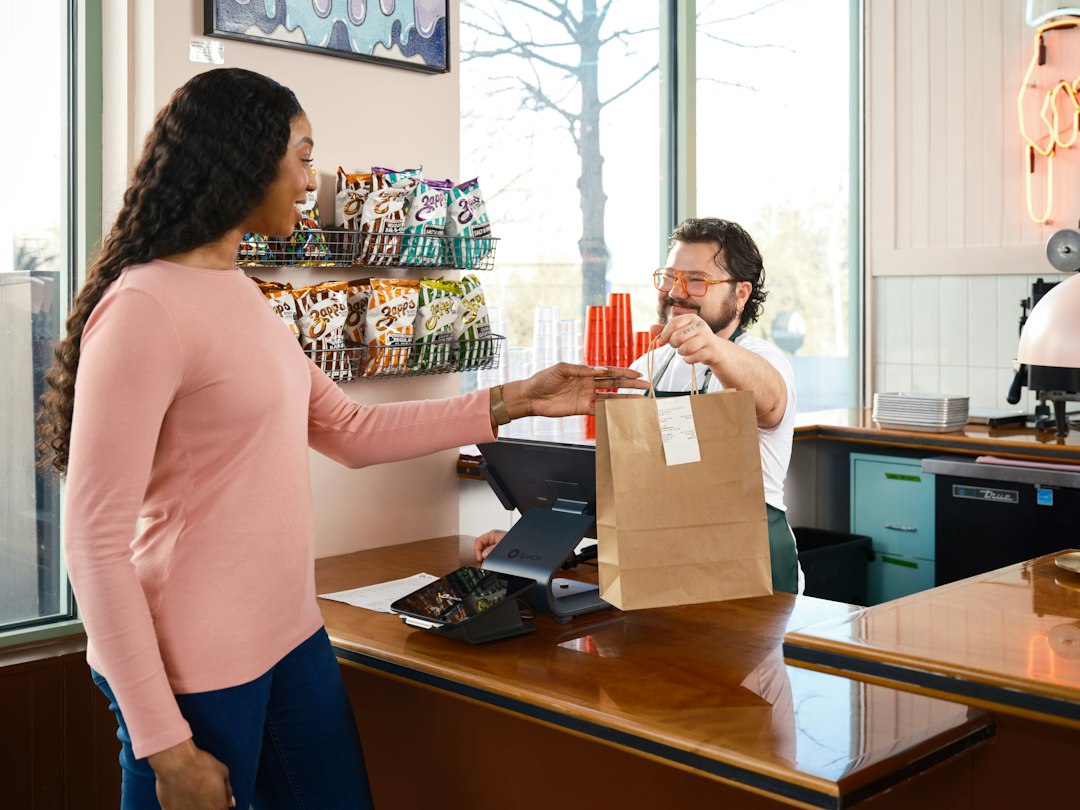
Quality extends beyond the products themselves to the entire experience. A clean, well-organized space. Accurate information. Fair prices. Easy returns when something goes wrong. These details add up to reliability, and reliability keeps people coming back. You know what you’re getting, and in a world of uncertainty, that predictability has real value.
The Things You Can’t Find Anywhere Else
Small shops thrive when they offer something genuinely different. Maybe it’s a product line you can’t find at the mall. Maybe it’s a multi-sensory experience – the smell of fresh leather in a shoe shop, the texture of handmade paper in a stationery store, the sound of vinyl spinning in a record shop. These sensory details create memories that online shopping can’t match.
The uniqueness factor works on multiple levels. Some small businesses carry niche products that larger retailers ignore because the market seems too small. Others create their own goods, offering craftsmanship and customization that mass production can’t achieve. Still others differentiate through expertise – the bike shop where the staff can diagnose your derailleur problem in thirty seconds, or the kitchen store where someone actually knows how to use every gadget they sell.
This differentiation gives customers a reason to make a special trip. You don’t need to visit a small shop if it stocks exactly what Target carries, but you’ll drive across town for the place that roasts its own coffee, stocks vintage finds, or employs people with genuine expertise. The shops that succeed understand their unique value and lean into it rather than trying to compete on breadth or price alone.
The Immediate Gratification Factor
For all the convenience of online shopping, it can’t beat walking out of a store with your purchase in hand. This immediate access matters more than you might think. When you need something today – a gift, a replacement, an impulse buy that caught your eye – a physical shop delivers instant satisfaction.
The ability to touch, try, and test products before buying remains a powerful draw. You can see if that sweater actually fits, whether that paint color looks right in different light, how heavy that cookware feels in your hand. Research on retail shopping behavior confirms that the tactile experience of handling products before purchase influences whether customers return to the same store.
Small shops that make the most of this advantage create spaces where browsing feels enjoyable rather than overwhelming. They encourage you to try things on, test products, ask questions. They understand that discovery happens in physical space differently than it does online – you stumble across things you weren’t looking for, you get ideas from what you see, you make connections between items that an algorithm wouldn’t suggest.
Values That Match Your Own
Customers increasingly choose to support businesses whose values align with their own. A small shop that sources ethically, pays fair wages, supports local causes, or operates sustainably attracts customers who care about those same issues. This values-based loyalty creates a deeper bond than price or convenience alone.
The owner’s presence makes this connection tangible. When you know the person behind the business, when you can see how they treat their employees, when they’re transparent about where products come from and how they’re made, trust develops. You’re not just buying goods; you’re voting with your wallet for the kind of commerce you want to see in your community.
Small businesses embedded in their neighborhoods often become community anchors. They sponsor little league teams, donate to school fundraisers, employ local teenagers, display local art. These connections create reciprocal loyalty – customers support businesses that support the community. It’s a cycle that benefits everyone and gives people a genuine reason to choose the local option.
To Sum Things Up
The small shops that keep customers coming back understand a simple truth: people are more than their purchasing power. They’re individuals who value recognition, quality, uniqueness, and connection. The most successful small businesses don’t try to beat big retailers at their own game. Instead, they offer something fundamentally different – personal service that makes you feel known, consistent quality you can trust, unique products or experiences you can’t find elsewhere, and the immediate satisfaction of walking out with exactly what you need.
These factors work together to create loyalty that transcends convenience or price. When a shop gets the formula right, customers become advocates, recommending it to friends and choosing it even when easier options exist. That’s the kind of competitive advantage no algorithm can replicate, and it’s why small shops that focus on these fundamentals continue to thrive even in an era of one-click ordering and same-day delivery. The transaction is just the beginning; the relationship is what brings people back.
Questions People Ask
What makes customers loyal to small businesses?
Customer loyalty to small businesses stems primarily from personal relationships and emotional connection. When shop owners and staff remember your name, understand your preferences, and provide genuine service rather than just completing transactions, it creates bonds that keep you coming back. Consistent product quality, unique offerings, and shared values reinforce this loyalty by giving you practical and emotional reasons to choose the same shop repeatedly.
How can small shops compete with online retailers?
Small shops compete by offering what online retailers can’t: immediate access to products, the ability to physically examine and test items before purchase, personalized expert advice, and a sensory shopping experience. They succeed by building personal relationships with customers, curating unique product selections, and creating community connections that make shopping feel meaningful rather than purely transactional. The focus is on being different rather than trying to match online prices or selection.
Why do people still shop at physical stores?
People shop at physical stores for the tactile experience of seeing, touching, and trying products before buying, the instant gratification of taking purchases home immediately, and the social interaction that online shopping can’t provide. Physical stores also allow for spontaneous discovery – you find things you weren’t specifically searching for, get ideas from displays, and receive real-time expert guidance. For many purchases, especially gifts or items where fit and quality matter, the in-person experience remains irreplaceable.
What role does customer service play in retail loyalty?
Exceptional customer service is often the deciding factor in whether customers return to a shop. When staff provide knowledgeable advice, remember your preferences, resolve problems quickly, and treat you as an individual rather than a sale, it builds trust and emotional attachment. This personal service creates an experience that feels fundamentally different from self-service online shopping or impersonal big-box retail, giving customers a compelling reason to become regulars even when other options might be slightly cheaper or more convenient.