
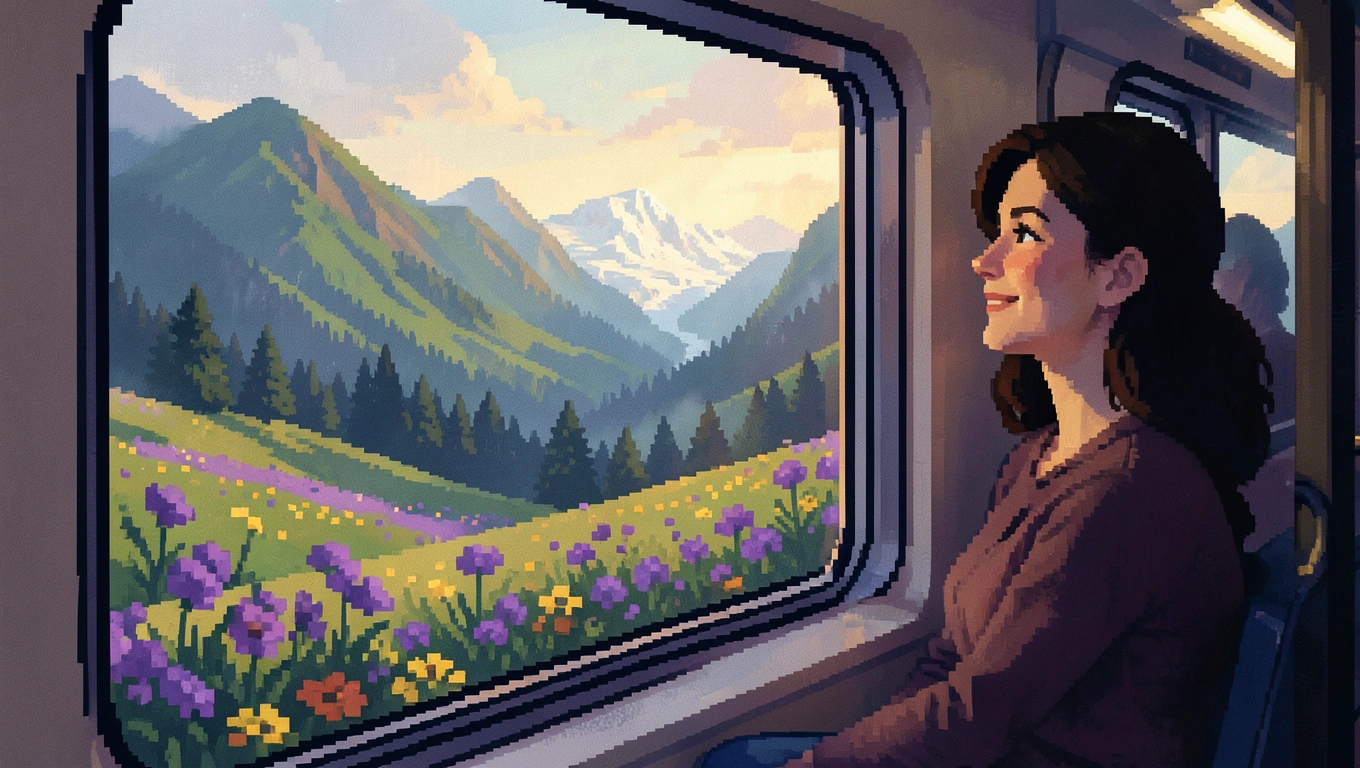
Some trips are about getting somewhere quickly. Others are about the journey itself – when the landscape rolling past your window, the rhythm of the rails, and the slow unfolding of miles become the whole point. Train travel offers something no flight or highway drive can match: the chance to sit back, watch the world change in real time, and actually enjoy the in-between. Whether you’re crossing continents or winding through mountain passes, certain routes turn transportation into an experience worth planning a trip around.
These journeys don’t just connect two dots on a map. They thread through scenery so striking that pressing your face to the glass feels like the most productive thing you could be doing. From arctic fjords to alpine meadows to coastlines that seem to go on forever, the best train rides make you grateful for every mile they take their time covering.
Quick Takeaways
- The Trans-Siberian Express covers 5,772 miles across six time zones through three countries
- Switzerland’s Glacier Express crosses 291 bridges and passes through 91 tunnels
- Norway’s Flåm Line descends from mountain peaks to fjord level in one dramatic hour
- Scenic train routes turn travel time into sightseeing time with panoramic windows
The Epic Cross-Continental Routes
The Trans-Siberian Express stands as the granddaddy of all train journeys, covering 5,772 miles from Moscow to Vladivostok and crossing six time zones. This legendary route takes you through birch forests, past Lake Baikal (the world’s deepest freshwater lake), across the steppes of Mongolia, and into China if you take the branch routes. The journey takes about a week, and passengers watch Russia transform outside their windows – industrial cities give way to taiga wilderness, then vast grasslands, then mountain ranges that seem to stretch forever.
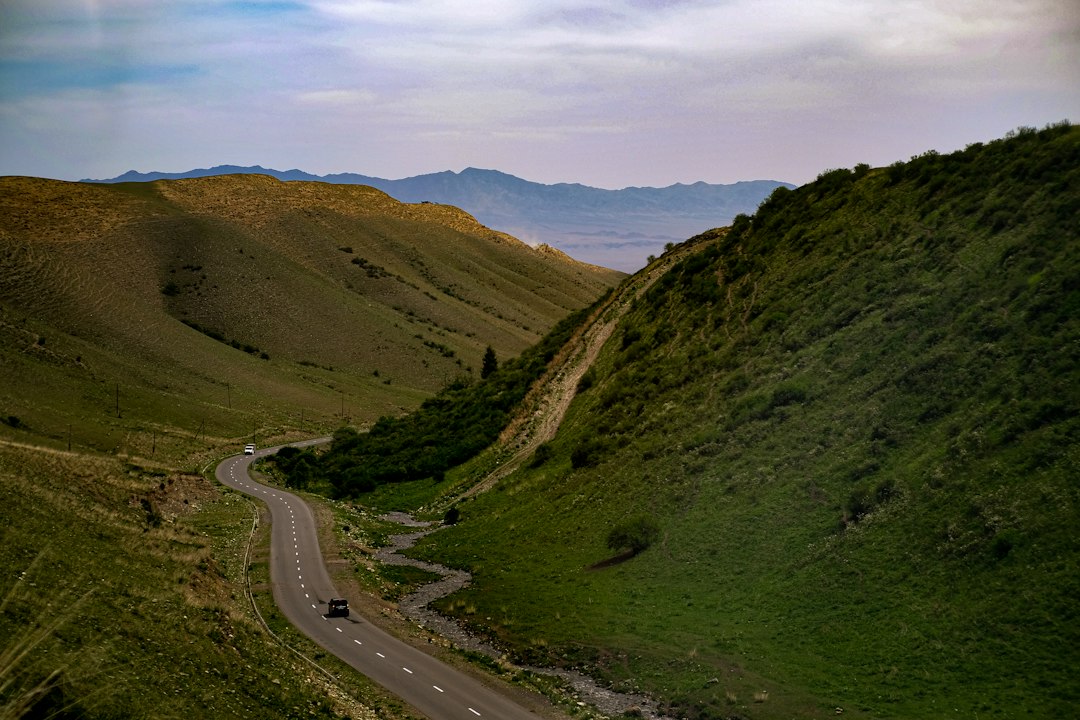
What makes these multi-day journeys special isn’t just the distance. It’s the way time slows down. You fall into the rhythm of meals in the dining car, conversations with fellow passengers, and the hypnotic sway of the train. You watch sunrise over one landscape and sunset over something completely different. The train becomes a moving hotel, and the scenery becomes your entertainment – no Wi-Fi needed.
Canada’s VIA Rail offers a similar experience with The Canadian, running between Toronto and Vancouver. This four-day journey cuts through the Canadian Rockies, across the prairies, and past pristine lakes that look like they’ve never seen a road. The dome cars give you a 360-degree view, and the pace is deliberately unhurried – this isn’t about speed, it’s about seeing a continent unfold section by section.
Alpine Drama and Mountain Passes
🤨 The Curious Bit
Switzerland’s Glacier Express is nicknamed the “slowest express train in the world” and crosses 291 bridges and passes through 91 tunnels during its eight-hour journey through the Swiss Alps.
The Glacier Express runs between Zermatt and St. Moritz, taking eight hours to cover what you could drive in less than four. But driving would mean missing the whole point. This train climbs to over 6,500 feet at the Oberalp Pass, winds through deep gorges, and crosses viaducts that span valleys so deep they make your stomach flip. The panoramic windows wrap around and over your head, so you can watch alpine meadows, glaciers, and villages that look like they belong on a postcard scroll past at a pace that lets you actually take it all in.
Norway’s Flåm Line packs dramatic scenery into a much shorter trip. This route descends from the high mountains to the Sognefjord in just one hour, dropping nearly 3,000 feet through twenty tunnels carved into the rock. You pass waterfalls that spray mist onto the windows, farms clinging to slopes so steep you wonder how anyone builds there, and valleys that narrow to slivers of sky above you. The train stops at a waterfall viewpoint halfway down, and the contrast between the snow-dusted peaks you left behind and the fjord you’re heading toward shows you just how much landscape Norway compresses into a small space.
Coastal Routes and Ocean Views
Amtrak’s Coast Starlight runs between Los Angeles and Seattle, offering 35 hours of Pacific coastline, mountain ranges, and everything in between. The route hugs the California coast north of Santa Barbara, giving you hours of ocean views – waves breaking on rocky shores, sea lions basking on rocks, coastal towns perched above the surf. Then it turns inland through the Cascade Range, where you trade ocean blue for forest green and volcanic peaks.
What makes coastal train journeys special is the perspective you get. Highways often run inland from the shore or move too fast to appreciate the details. Trains follow the natural contours of the land, and the elevated vantage point lets you see patterns in the landscape – how beaches give way to cliffs, how coastal forests differ from inland ones, how light changes as you move north or south. The Pacific Surfliner, which runs along the Southern California coast between San Diego and San Luis Obispo, offers similar views in shorter segments if you want the ocean experience without the multi-day commitment.
Scotland’s West Highland Line from Glasgow to Mallaig deserves mention here too. This route crosses the Glenfinnan Viaduct (yes, the one from the Harry Potter films), skirts lochs that mirror the sky, and winds through the Highlands before reaching the coast. The final stretch overlooks the Sound of Sleat, with views across to the Isle of Skye. The journey takes about five hours, and you experience Scotland’s transition from lowlands to dramatic coastal wilderness.
What Makes a Train Journey Worth Taking
The best scenic train routes share certain qualities. They take their time – rushing defeats the purpose. They offer large windows or special observation cars designed for viewing, not just transportation. They pass through landscape that changes enough to hold your attention but not so fast that it becomes a blur. And they often follow routes that roads can’t or won’t – along cliffsides, through mountain passes, across terrain that’s too wild or too protected for highways.
Timing matters too. Many of these routes change completely with the seasons. The Glacier Express looks entirely different under snow versus summer wildflowers. Fall colors transform routes through forested regions. Some lines, like Norway’s routes above the Arctic Circle, offer midnight sun in summer and potentially northern lights in winter. The train remains the same, but the show outside changes with the calendar.
Practical considerations make train travel appealing beyond the views. You can move around, visit a dining car, stretch your legs during station stops. You don’t deal with airport security or baggage weight limits. You can bring real food, work at a table, or simply stare out the window for hours without anyone expecting you to be productive. The journey becomes downtime in a way that flying or driving never quite manages.
To sum things up
Train journeys worth taking for the ride itself flip our usual relationship with travel. Instead of enduring the journey to reach the destination, the journey becomes the destination. You’re not just crossing Switzerland – you’re watching it unfold tunnel by tunnel, bridge by bridge. You’re not just getting from Los Angeles to Seattle – you’re seeing how California becomes Oregon becomes Washington, mile by coastal mile.
These routes remind us that getting there used to be half the adventure before we decided speed mattered more than scenery. Modern train travel, especially on routes designed for tourists rather than commuters, brings back that older approach. You trade efficiency for experience, and if you pick the right route at the right time, you get to remember the trip there as vividly as whatever you did when you arrived. That’s worth slowing down for.
Questions People Ask
What is the most scenic train ride in the world?
The Glacier Express through the Swiss Alps and the Trans-Siberian Express across Russia, Mongolia, and China consistently rank among the most scenic routes. Norway’s Flåm Line and Scotland’s West Highland Line also compete for the title. The “most scenic” depends on whether you prefer alpine mountains, vast continental landscapes, or dramatic coastal fjords – each offers something completely different.
How long does the Trans-Siberian Railway take?
The complete Moscow to Vladivostok journey takes about seven days of continuous travel, covering 5,772 miles. Most travelers break the trip into segments, stopping in cities along the way. The route crosses six time zones, so you experience significant time changes during the journey. Many passengers extend the trip to two or three weeks to explore stops like Irkutsk near Lake Baikal or Ulaanbaatar in Mongolia.
Do scenic train routes cost more than regular trains?
Scenic routes often cost more than standard rail travel, especially routes designed specifically for tourists with observation cars and special amenities. The Glacier Express charges a premium fare plus a mandatory reservation fee. However, some scenic routes like the Flåm Line or West Highland Line are regular rail services where you pay standard fares. Booking in advance and traveling during shoulder seasons can reduce costs on popular routes.
What’s the best time of year for scenic train travel?
It depends on the route and what you want to see. Alpine routes look spectacular in both winter snow and summer wildflower season. Coastal routes often shine in late spring through early fall when weather is clearer. Fall foliage makes routes through forested areas stunning in September and October. Some northern routes offer midnight sun in summer or potential northern lights viewing in winter, making seasonal timing part of the experience itself.