A weekend getaway doesn’t have to feel like a rushed blur. With the right approach, even a short trip can leave you feeling as refreshed and enriched as a week-long vacation. The secret isn’t cramming more activities into your itinerary – it’s about shifting how you experience the time you have. When you slow down, stay present, and make intentional choices about where you go and what you do, a two-day escape can create memories that stretch far beyond the calendar.
The psychology behind this is fascinating. Our perception of time isn’t fixed – it expands and contracts based on how we fill it. A jam-packed schedule might seem productive, but it often leaves us exhausted and struggling to recall individual moments. On the other hand, when we build in space for spontaneity, embrace slower rhythms, and focus on quality over quantity, those hours feel fuller and more memorable. Let’s explore how to design a short trip that truly satisfies.
Quick Takeaways
- Choose destinations within a few hours to maximize time actually enjoying your trip
- Plan one or two key activities daily, leaving room for unplanned discoveries
- Stay centrally located to minimize transit time and maximize exploration
- Embrace slow mornings and limit phone use to deepen your sense of presence
Pick Your Destination Strategically
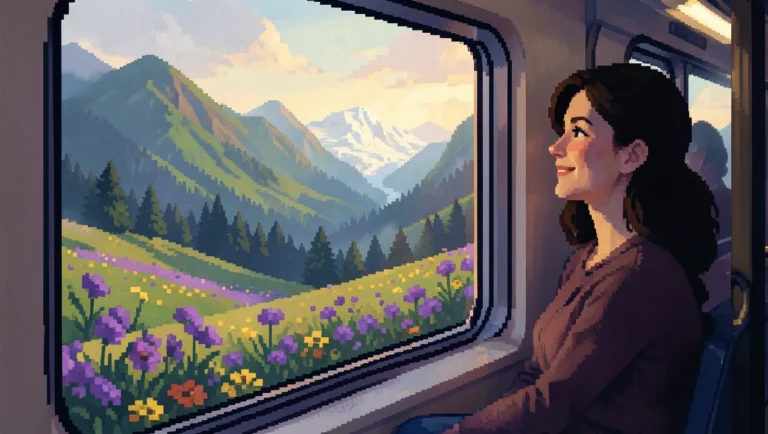
The journey matters just as much as the destination when you’re working with limited time. Spending half your weekend in airports or on long drives eats into the experience before it even begins. Instead, look for places you can reach comfortably within a few hours – whether that’s a direct short flight or a scenic drive that feels like part of the adventure rather than an obstacle.
Think about destinations that pack distinct character into a small geographic area. A historic downtown where you can walk to cafes, markets, and attractions beats a sprawling resort where you need a car for every outing. Coastal towns, mountain villages, or cities with concentrated cultural districts let you feel immersed without constant logistics. The goal is to arrive feeling ready to explore, not depleted from travel.
Location within your chosen destination matters too. Choosing centrally located accommodation means you can step outside and immediately start experiencing the place. You’ll save time that would otherwise vanish in shuttles, taxis, or navigating unfamiliar roads. That extra hour in the morning or before dinner adds up, giving you flexibility to follow your curiosity without watching the clock.
Build a Light Framework, Not a Rigid Itinerary
Planning one or two essential activities each day creates just enough structure to ensure you experience what drew you to the destination, while leaving breathing room for spontaneity. Maybe you book a morning food tour and reserve tickets to a museum, but leave the afternoon open. That unscheduled time is where the magic happens – you stumble into a street festival, find a perfect lunch spot locals recommended, or simply sit in a park watching the world go by.
This approach works because it removes the pressure of optimization. When every hour is accounted for, you’re constantly moving to the next thing, which collapses time into a checklist. But when you have permission to linger over coffee or take an unplanned detour down an interesting street, each moment expands. You’re not just seeing the place – you’re experiencing it.
🤨 The Curious Bit
Psychologist Marc Wittmann explains that time feels longer when we experience more memorable events – suggesting that the quality of moments matters more than the quantity of activities we squeeze in.
Consider booking your essential activities for different times of day. A sunset kayak tour followed by a morning cooking class creates varied experiences that anchor different parts of your trip in distinct memories. This variety makes the getaway feel richer when you look back on it, rather than bleeding into a single continuous blur.
Embrace the Art of Slow Mornings
The impulse on short trips is to maximize every waking minute, which often means setting early alarms and rushing out the door. But starting your day in a hurry sets a frantic pace that’s hard to shake. Instead, build in time to wake naturally, enjoy breakfast without multitasking, and ease into the day. This isn’t wasted time – it’s the foundation that makes everything else feel more spacious.
When you’re not hustling from the moment you open your eyes, you actually notice more. The light coming through the window. The sounds of the neighborhood waking up. The taste of coffee in an unfamiliar cup. These sensory details are what your brain encodes as distinct experiences, and they’re what make time feel fuller when you recall the trip later.
Slow mornings and limited screen time work together to deepen your sense of presence. When you resist the pull to scroll through messages or check work emails first thing, you stay grounded in where you actually are. That mental space lets you be more receptive to the experiences unfolding around you, rather than half-present with part of your attention still tethered to home.
Create Memory Anchors Through the Senses
Your brain remembers experiences more vividly when multiple senses are engaged. This is why a meal at a local market creates a stronger memory than scrolling restaurant reviews on your phone – you’re processing smells, tastes, sounds, and the texture of unfamiliar ingredients all at once. Look for activities that naturally engage you beyond the visual.
Take a cooking class where you’re handling ingredients and learning techniques. Walk through a neighborhood garden touching herbs and listening to fountain water. Browse a bookshop where the smell of paper and the weight of volumes in your hands creates a tactile experience. These sensory-rich moments stand out in your memory as distinct events, which is exactly what makes time feel like it’s stretching.
Even simple choices support this. Eating outside instead of in your hotel room. Walking instead of taking a car when the distance allows. Buying something from a vendor and having a brief conversation. Each of these moments adds texture to your trip, creating the kind of varied experiences that prevent days from blending together into one homogeneous memory.
Protect Your Evening Hours
The temptation after a full day is to collapse in your room, order takeout, and zone out – essentially returning to your normal evening routine in a different location. But evenings hold potential for some of the most memorable moments of a short trip. This doesn’t mean you need elaborate dinner reservations every night. It means being intentional about how you transition from day to evening.
Find a spot to watch sunset, even if that’s just a bench in a park or a seat at a quiet bar. Take an after-dinner walk through lit-up streets when the day-tripping crowds have thinned. Join a local event – live music, a night market, a community gathering. These activities don’t require much energy, but they add distinct chapters to your day rather than letting it fade out.
The rhythm matters too. If you’ve been moving all day, a quiet evening feels restorative. If you had a lazy afternoon, going out for evening energy creates contrast. This variation within each day makes the trip feel longer because each part has its own character, rather than every day following the same arc.
To sum things up
Making a short trip feel substantial isn’t about hacking your schedule or manufacturing false urgency. It’s about respecting the relationship between time, attention, and memory. When you choose accessible destinations, build flexibility into your plans, and stay present rather than documented, you’re creating the conditions for time to expand naturally.
The real shift happens when you stop thinking about short trips as compressed versions of longer vacations and start treating them as their own worthy experience. A weekend designed around presence and quality can leave you more restored than a rushed week where you tried to do everything. You’re not fighting against the clock – you’re working with your own psychology to create memories that feel rich and full. The next time you have just a few days free, try approaching it with this mindset. You might be surprised how much space exists in small windows of time when you know how to use them.
Questions People Ask
How can I make a short trip feel less rushed without skipping important attractions?
Focus on depth over breadth by selecting just one or two must-see attractions per day and really experiencing them rather than racing through a checklist. Arrive when they open to avoid crowds, allow time to sit and observe rather than just photograph, and skip the rest without guilt. The attractions you actually engage with will create stronger memories than ten you rushed past. Build in transition time between activities so you’re not constantly hurrying – that breathing room is what transforms a sprint into an experience.
What’s the ideal number of days for a short trip that still feels satisfying?
Three full days (meaning four nights if you count travel days) tends to hit a sweet spot where you have enough time to settle into a rhythm without the trip feeling too brief. You can have a slower first day to orient yourself, a full middle day for your key experiences, and a final day that feels relaxed rather than frantic. That said, even a solid two-day weekend can feel expansive if you apply the principles of staying local, building in unstructured time, and prioritizing presence over productivity.
Should I plan activities in advance or leave everything spontaneous on a short trip?
Strike a balance by booking one anchor activity or reservation per day – something that requires advance tickets or has limited availability – then leaving the rest open. This gives you something to look forward to and ensures you don’t miss out on what drew you to the destination, while preserving flexibility for discoveries along the way. The structure prevents decision fatigue without creating a rigid schedule that removes all spontaneity. You can always add more if you want, but you can’t easily create openness if you’ve pre-booked every hour.
How do I avoid spending too much time on logistics during a short getaway?
Choose your accommodation location carefully – staying centrally means you can walk to most places rather than constantly arranging transportation. Download offline maps before you arrive so you’re not fumbling with directions. If you’re renting a car, pick it up and drop it off at convenient times rather than at odd hours that eat into your trip. Book restaurants or tickets the week before rather than spending precious vacation time researching options. The goal is to front-load the practical decisions so the trip itself can flow without constant problem-solving.