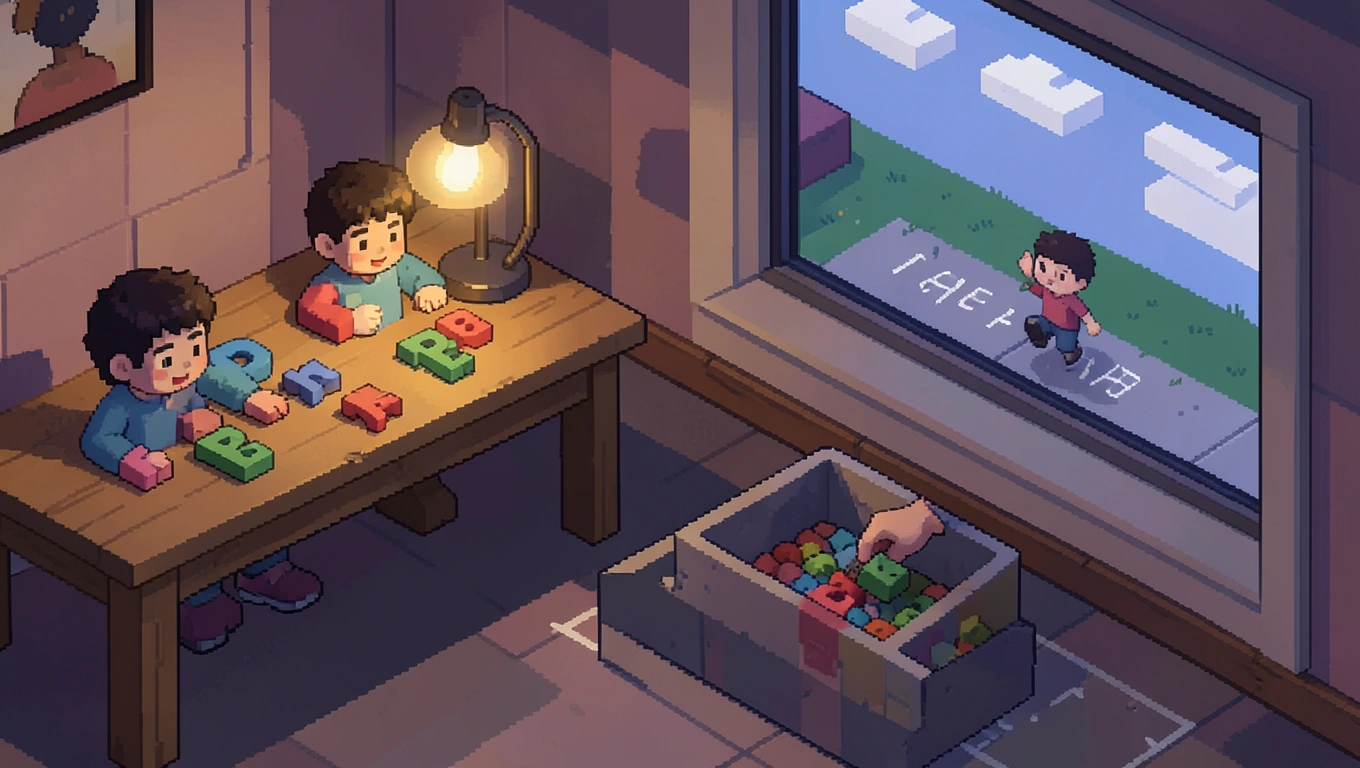
Learning letters doesn’t have to mean workbooks and flashcards. Before the school year begins, you can help your child build alphabet recognition through play – and they won’t even realize they’re learning. The key is mixing movement, creativity, and hands-on exploration into your everyday routines. When children touch, build, and move through letter practice, they’re engaging multiple senses at once, which helps those shapes and sounds stick in their memory. The best part? These activities feel like fun, not lessons, which keeps young learners curious and eager instead of overwhelmed.
Play-based learning isn’t just enjoyable – it’s backed by research as a method that strengthens memory retention and problem-solving abilities in children. Short, playful sessions woven into daily life often work better than sitting down for lengthy lessons. Whether you’re molding playdough letters at the kitchen table or hunting for alphabet shapes on a nature walk, you’re building a foundation that will make those first weeks of school feel familiar rather than intimidating.
Quick Takeaways
- Playdough letter-forming builds fine motor skills while reinforcing letter shapes
- Sensory bins with hidden letter tiles boost tactile learning and retention
- Five to ten minutes of daily practice beats occasional longer sessions
- Alphabet books create early sound-letter connections that support reading fluency
Sculpting Letters with Playdough and Clay
Forming letters with playdough strengthens fine motor skills and helps reinforce the structure of letters through touch. When children roll, pinch, and shape the dough into curves and straight lines, they’re physically experiencing what makes an A different from an O. This hands-on manipulation creates a deeper understanding than simply tracing letters on paper.
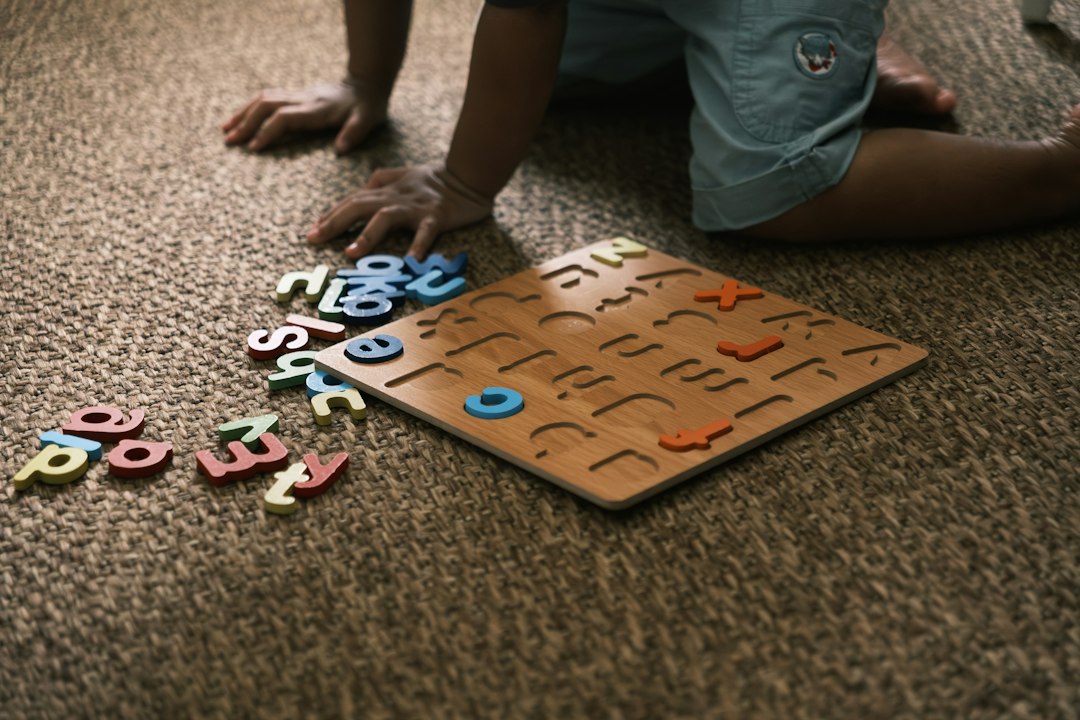
You can start by rolling the dough into long snakes and then arranging them into simple letters like L, T, or I. As your child gets comfortable, move to letters with curves – C, O, S – which require more control. Try making the first letter of their name, or spell out simple words like CAT or DOG. The tactile feedback helps children remember the letter shapes, and the squishing and reshaping keeps them engaged far longer than a worksheet would.
For an extra challenge, hide small objects that start with specific letters inside playdough balls. Your child squeezes the dough to find a tiny car, then forms the letter C. They discover a button and make a B. This combines sensory exploration with letter-sound connections, and the surprise element makes it feel like a treasure hunt rather than a lesson.
Building Sensory Bins for Letter Discovery
Sensory bins filled with materials like rice, sand, or pasta, where letter tiles are hidden, can significantly boost tactile learning and letter retention. The simple act of digging through the material to find letters turns alphabet practice into an adventure. You can use a shallow plastic container, fill it with dried beans or rice, and bury foam or magnetic letters inside. Your child sifts through the bin, finds a letter, and names it before searching for the next one.
The sensory element keeps young children engaged because it satisfies their natural urge to touch and explore. You can theme the bins by adding small toys that start with specific letters – hide a B among toy bugs, or bury an M with miniature mice. This creates context for the letters and helps children connect sounds to objects they recognize.
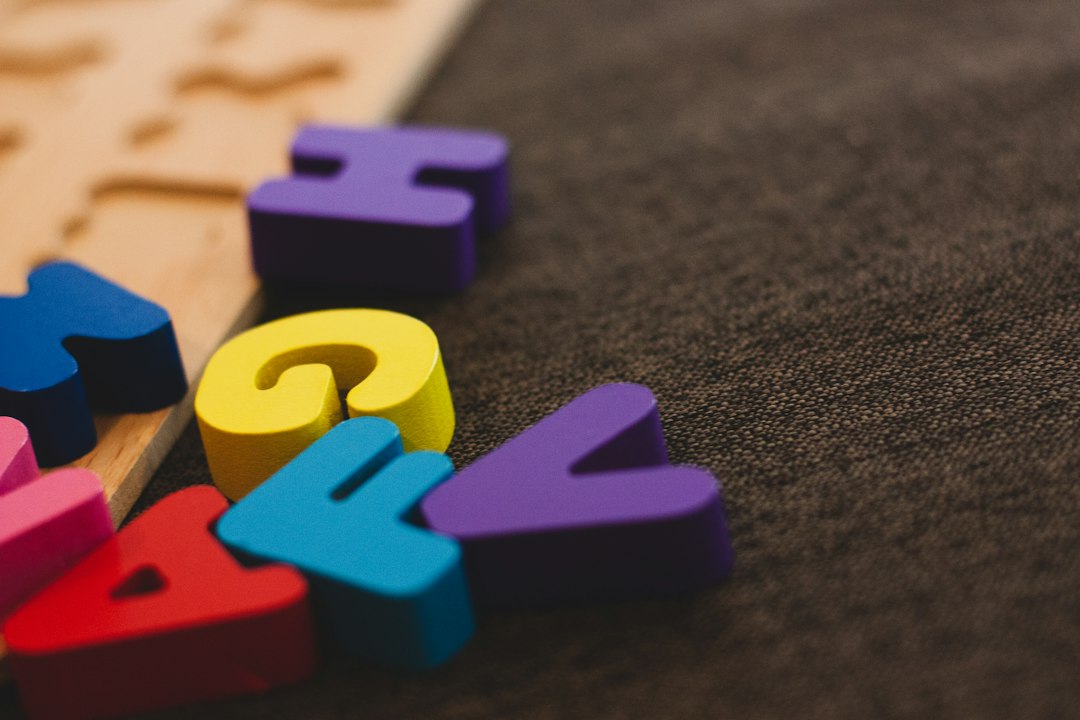
For variety, switch up the materials. Try rainbow rice one week, dried pasta another, or even water beads for supervised play. Each texture offers a different sensory experience, and the novelty keeps children coming back to practice. You can also add simple challenges: “Can you find three letters that have straight lines?” or “Which letters have circles in them?” These questions encourage observation beyond just naming letters.
🤨 The Curious Bit
Engaging in short, consistent learning sessions, even just 5-10 minutes daily, is often more effective for young children than infrequent, longer lessons. Brief bursts of playful practice match their natural attention spans and prevent burnout.
Turning Movement into Alphabet Practice
Children learn through their whole bodies, not just their eyes and hands. Movement-based alphabet activities let them jump, crawl, and dance their way through letter recognition. You can write letters on sidewalk chalk and call out a letter for your child to hop to, or create an alphabet path on the floor with painter’s tape that they follow while calling out each letter they step on.
Letter yoga is another playful approach – your child uses their body to form letter shapes. They stretch their arms overhead to make a Y, stand on one leg with arms out for a T, or curl into a C. This kinesthetic learning reinforces letter shapes through muscle memory, and the silly poses make it feel like a game. You can also incorporate music by playing freeze dance where children move freely until the music stops, then you call out a letter for them to form with their bodies.
Scavenger hunts add excitement to letter practice. Write a letter on a card and send your child to find objects around the house or yard that start with that sound. They might bring back a book for B, a rock for R, or a leaf for L. This activity connects letters to real-world objects and builds vocabulary at the same time. The movement involved in searching keeps energy high and attention focused.
Reading Alphabet Books Together
Early exposure to letters and their sounds, frequently achieved through alphabet books, forms a crucial foundation for developing reading fluency and expanding vocabulary. Unlike generic picture books, alphabet books are designed to highlight specific letters and their sounds, often with vivid illustrations and memorable words. Reading these books together creates a relaxed learning environment where you can point out letters, make the sounds together, and talk about the pictures.
The repetition built into alphabet books helps solidify letter recognition. When your child hears that A is for apple multiple times across different books and contexts, that connection strengthens. You can make it interactive by pausing before turning the page and asking your child to guess what letter comes next, or by pointing to a letter and having them name it before you read the associated word.
Choose books with different styles – some focus on uppercase letters, others on lowercase, and some show both. Books with textured letters that children can trace with their fingers add a tactile element. You don’t need to read the entire alphabet in one sitting. Even focusing on a few letters during a bedtime story or morning routine builds familiarity over time. The key is making it a pleasant, pressure-free experience that associates letters with comfort and connection rather than stress.
Creating Letters with Nature and Everyday Objects
You don’t need special supplies to practice letters – natural materials and household items work beautifully. Collect sticks, rocks, leaves, or shells during a walk and use them to form letters on the ground or a table. The irregular shapes and textures make the activity feel more like art than schoolwork. Your child arranges twigs into an E, lines up pebbles to spell their name, or creates a giant letter on the grass with fallen leaves.
Kitchen items offer similar opportunities. Use string cheese to form letters before eating it, arrange cereal pieces into shapes, or write letters in flour or sugar spread on a baking sheet. These edible and erasable options take the pressure off perfection – if a letter doesn’t look quite right, you simply smooth the flour and try again. The temporary nature of these creations keeps the focus on the process rather than producing something permanent.
You can also turn letter-hunting into a daily game. Look for letters in your environment – the M in a McDonald’s sign, the S in a stop sign, the letters on cereal boxes, or the shapes formed by tree branches or cracks in the sidewalk. This builds the habit of noticing letters everywhere, which reinforces the idea that letters are meaningful parts of the world around them, not just abstract symbols in books.
To sum things up
Teaching letters before school starts doesn’t require a curriculum or a dedicated study space. When you weave alphabet practice into play, movement, and everyday moments, your child builds recognition naturally and joyfully. The playdough they’re squishing is developing hand strength for writing. The sensory bin they’re digging through is strengthening letter memory. The sidewalk chalk game is connecting sounds to symbols through movement.
What matters most isn’t perfection or memorizing the entire alphabet before the first day of school. It’s creating positive associations with learning and building confidence that letters are something they can explore, play with, and figure out. When school begins and formal letter instruction starts, your child will feel a spark of recognition rather than complete unfamiliarity. That sense of “I’ve seen this before” makes all the difference in how they approach those early learning challenges. Keep it light, follow their interests, and trust that small moments of playful practice are building skills that will serve them well beyond the classroom.
Questions People Ask
What age should children start learning letters?
Most children show interest in letters between ages two and four, though every child develops at their own pace. Look for signs of readiness like noticing letters in their environment, asking about signs, or showing interest when you read. You can introduce letters through play as early as toddlerhood, but formal recognition typically develops between ages three and five. The key is following your child’s interest rather than pushing a timeline – playful exposure works better than forced lessons.
How many letters should my child know before kindergarten?
There’s no universal requirement, and expectations vary by school and region. Many kindergarteners enter knowing some letters, particularly those in their name, while others know the full alphabet. Schools expect to teach letter recognition, so your child doesn’t need to master all 26 letters beforehand. Focus on building familiarity and confidence rather than achieving complete mastery. Knowing 10-15 letters and their sounds gives children a helpful head start, but even recognizing a few is valuable.
Should I teach uppercase or lowercase letters first?
Most children naturally encounter uppercase letters first because they’re visually simpler and appear on signs, book covers, and toys. However, lowercase letters appear more frequently in actual reading. A balanced approach works well – introduce both forms together, especially when teaching the letters in your child’s name. Point out that each letter has two looks, and use activities that show both forms side by side. Children typically master uppercase recognition first but benefit from early exposure to both.
How do I help a child who seems uninterested in learning letters?
Lack of interest often means the approach doesn’t match the child’s learning style or developmental readiness. Try different methods – a child who resists flashcards might love building letters with blocks or finding them on a nature walk. Keep sessions very short, follow their lead, and connect letters to their specific interests. If they love dinosaurs, focus on the letters in dinosaur names. If they enjoy art, make letters with paint or chalk. Sometimes stepping back for a few weeks and then trying again with a fresh approach makes all the difference.