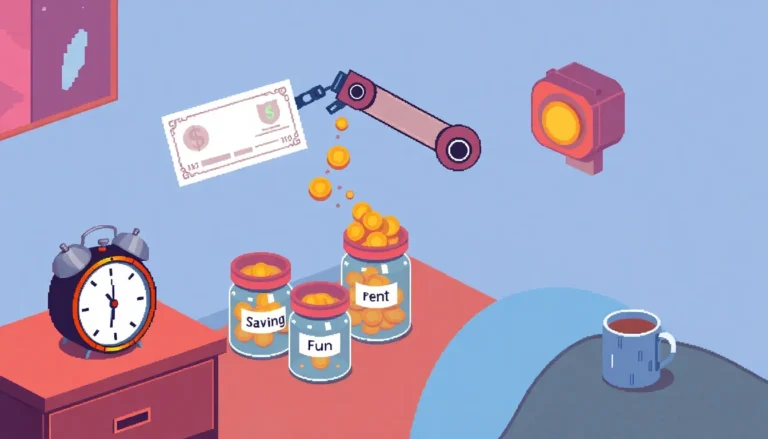

You budget carefully, track your spending, and feel like you are doing all the right things with your money. Yet somehow, your bank balance never seems to grow quite the way you expect. The truth is, most of us are losing money in ways that barely register on our radar. These quiet leaks don’t announce themselves with dramatic purchases or obvious mistakes. Instead, they slip through in small, regular amounts that compound over time, draining hundreds or even thousands of dollars from your finances each year without you noticing.
Understanding where these hidden drains exist is the first step toward plugging them. Once you know what to look for, you can take simple actions that put that money back where it belongs – working for you, not disappearing into thin air.
Quick Takeaways
- Forgotten subscriptions can drain hundreds yearly without providing any value
- Daily small purchases like coffee accumulate faster than you think
- Banking fees quietly nibble away at your balance each month
- Food waste means throwing away a significant portion of your grocery budget
Subscriptions You Forgot You Had
The subscription economy has made it incredibly easy to sign up for services and incredibly difficult to remember what you are actually paying for. That streaming platform you tried during a free trial? It probably converted to a paid subscription months ago. The meditation app you used three times? Still charging your card every month. The gym membership you swore you would use this year? Collecting dust while collecting your money.

These recurring charges are designed to be invisible. Companies count on the fact that you will set up automatic payments and then simply forget. They keep the amounts just small enough that they do not trigger alarm bells when you glance at your statement. A few dollars here, ten dollars there – it all feels manageable in isolation. But when you add up all those forgotten subscriptions, you might find yourself paying for five streaming services when you only watch two, or maintaining three different cloud storage accounts when one would suffice.
The fix requires a bit of detective work. Pull up your bank and credit card statements for the past three months and highlight every recurring charge. Ask yourself honestly when you last used each service. If you cannot remember, or if the answer is more than a month ago, that subscription has become a money leak. Most people who do this exercise discover they are spending far more on subscriptions than they realized, often hundreds of dollars annually on services they barely touch.
The Daily Coffee Habit and Other Small Purchases
There is something almost invisible about small daily purchases. A coffee before work, a snack at the vending machine, a quick lunch because you did not pack anything – these moments feel insignificant in isolation. The problem is that they are never truly in isolation. They happen daily, sometimes multiple times per day, and they add up to staggering totals over time.
🤨 The Curious Bit
That daily coffee before work can accumulate to over $1,000 annually, turning a seemingly harmless habit into one of your largest discretionary expenses.
The math is straightforward but sobering. A five-dollar coffee five days a week equals twenty-five dollars weekly, which becomes over thirteen hundred dollars yearly. That does not account for the pastry you grab with it, or the afternoon pick-me-up, or the weekend splurges. When you expand this thinking to other categories – the convenience store runs, the impulse purchases at checkout, the app downloads that seem too cheap to matter – the total becomes genuinely surprising.

What makes these purchases particularly sneaky is that they rarely feel like actual spending decisions. They are automatic, habitual, barely conscious. You are not sitting down and deciding to spend a thousand dollars on coffee this year. You are just grabbing your usual on the way to work, one unremarkable transaction at a time. But your bank account does not care about your intentions. It only tracks the outflow, and these small purchases create a steady stream of money leaving your accounts without building any lasting value or even memorable enjoyment.
Banking Fees That Fly Under the Radar
Banks have become remarkably creative at finding ways to charge you for the privilege of holding your own money. Monthly maintenance fees, ATM charges when you use the wrong machine, overdraft fees, minimum balance penalties, paper statement fees, wire transfer charges – the list goes on. What makes these particularly insidious is that they often hit accounts that are already struggling, creating a cycle where having less money costs you more money.
Some of these fees hide in plain sight. You might know your checking account has a monthly fee, but do you know exactly how much it costs you per year? Have you calculated how many times you paid ATM fees because your bank’s machine was not convenient? Have you added up the overdraft charges from times when your account balance was a few dollars short? According to financial tracking experts, these hidden banking costs can subtly reduce your account balances month after month without most people noticing the cumulative impact.
The particularly frustrating part is that many of these fees are completely avoidable. Numerous banks offer free checking accounts with no monthly fees and no minimum balance requirements. Many reimburse ATM fees or have extensive networks that make fees unnecessary. Overdraft protection can be set up to pull from savings rather than trigger expensive penalties. But taking advantage of these options requires knowing they exist and taking action to switch or adjust your banking setup. Inertia keeps many people paying hundreds in annual fees simply because switching banks feels like too much work.
Food Waste: Throwing Money in the Trash
Walk over to your refrigerator right now and check the produce drawer. Chances are decent you will find something that has gone bad – wilted lettuce, slimy cucumbers, berries growing mold. Now check the back of your shelves for those ingredients you bought for a specific recipe and never used again. Look in your freezer for mystery containers of leftovers that have been there so long you cannot remember what they contain. All of that is money you spent that never actually fed anyone.
Food waste represents one of the most substantial yet overlooked money leaks in most households. Research shows that the average American family throws away 30-40% of the food they buy each month. Think about that for a moment. If you spend four hundred dollars monthly on groceries, you are potentially throwing away well over a hundred dollars worth of food. That is not accounting for restaurant meals that get partially eaten and tossed, or bulk purchases that seemed like a good deal but spoiled before you could use them all.
This waste happens for predictable reasons. We shop without meal plans and buy things we think we might want. We purchase produce with good intentions but forget to use it before it spoils. We cook too much and cannot finish leftovers before they go bad. We get tempted by sales and buy quantities we cannot realistically consume. Each of these moments feels rational in the store, but together they create a pattern where a significant chunk of your food budget ends up in the garbage rather than in your stomach.
The solution involves changing shopping habits rather than simply trying harder. Financial planning resources suggest planning meals before shopping, buying only what you will actually use, and treating your grocery budget as seriously as any other expense category. Storing food properly extends its life. Using leftovers for lunch prevents waste and saves you from buying food during the workday. These actions might sound basic, but they directly address a leak that is costing most families hundreds of dollars each year.
To sum things up
Money leaks are frustrating because they rob you of the financial progress you deserve without providing anything meaningful in return. You are not spending this money on things you value or experiences you enjoy. You are losing it to inattention, to defaults you never questioned, to habits you formed without thinking about the costs.
The good news is that plugging these leaks does not require earning more money or making dramatic lifestyle changes. It requires awareness and relatively small adjustments. Audit your subscriptions quarterly and cancel what you do not use. Replace automatic daily purchases with intentional weekly spending. Switch to a bank that does not nickel-and-dime you with fees. Plan your meals and shop with purpose. Each of these changes is simple, but together they can redirect hundreds or thousands of dollars per year from waste into savings, debt payoff, or spending on things that actually matter to you.
The difference between people who build wealth and those who stay stuck is often not income level. It is attention to where money actually goes versus where they think it goes. These quiet leaks exist in nearly everyone’s finances. The question is whether you will find them before another year of money silently disappears.
Questions People Ask
How can I find all my recurring subscriptions?
Review three months of bank and credit card statements, highlighting every automatic charge. Most banks now offer subscription tracking features in their apps. You can also use your email inbox to search for terms like “subscription”, “membership”, or “recurring” to find confirmation emails from services you signed up for. Check both active payment methods and any stored payment information in digital wallets, as subscriptions can hide in multiple places.
What is the easiest way to reduce daily spending on small purchases?
Set a weekly cash allowance for discretionary spending like coffee, snacks, and impulse buys. When the cash is gone, you are done for the week. This creates a tangible limit that card payments do not provide. Alternatively, pack coffee and snacks from home and treat purchased coffee as an occasional choice rather than a daily default. Many people find that simply tracking these purchases for a week makes them naturally cut back once they see the real totals.
Are all bank fees avoidable?
Most common bank fees are avoidable with the right account or banking habits. Many online banks and credit unions offer free checking with no monthly fees, no minimum balances, and ATM fee reimbursement. For fees you cannot eliminate entirely, you can minimize them by maintaining minimum balances, using in-network ATMs, and setting up overdraft protection that pulls from savings rather than triggering expensive fees. Shopping around for banks saves most people substantial amounts annually.
How do I stop wasting so much food?
Start by planning meals before you shop and buying only ingredients you need for those specific meals. Shop more frequently for fresh produce rather than buying large quantities that spoil. Use a first-in, first-out system in your fridge and pantry so older items get used before newer ones. Designate one meal per week as a “leftovers night” to use up odds and ends before they go bad. Freeze items before they spoil rather than after. These habits prevent waste before it happens rather than trying to save food that is already past its prime.