Preparing for a new baby can feel overwhelming, especially when you’re staring at those endless registry checklists. While some items need to be ready before your due date, plenty of baby gear can wait until after your little one arrives. Holding off on certain purchases gives you a chance to see what friends and family gift you, understand your baby’s preferences, and avoid cluttering your home with things you may never use. This approach saves money, reduces stress, and helps you make smarter decisions based on your actual needs rather than pre-birth assumptions.
The strategy of waiting also acknowledges a simple truth: every baby is different. What works beautifully for one family might sit unused in another’s closet. By postponing some purchases, you give yourself the flexibility to respond to your baby’s temperament, your home setup, and your parenting style as they emerge in those first weeks.
Quick Takeaways
- Baby showers often provide clothing and feeding supplies, making pre-birth purchases redundant
- Waiting reveals your baby’s preferences for swings, carriers, and soothing devices
- Extended family sizes can be determined after birth for better gear sizing
- Specialty items like bottle warmers often go unused despite seeming essential
Clothing Beyond the Basics
You need a handful of newborn outfits for those first days, but resist the urge to fill entire drawers before your baby arrives. Babies grow at wildly different rates, and you won’t know if yours will skip newborn sizes entirely or linger in them for weeks. Stock up on essentials like onesies, sleepers, and a going-home outfit, then pause.
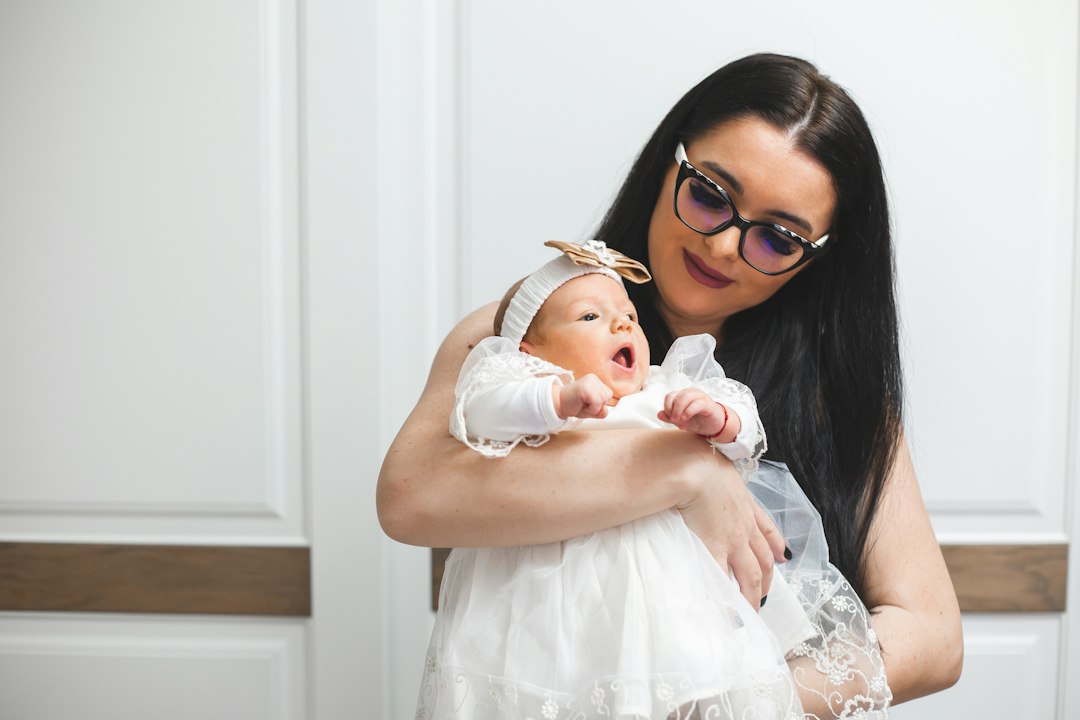
Once your baby is born, you’ll quickly learn which clothing features matter most to you. Some parents swear by zippered sleepers for middle-of-the-night changes, while others prefer snap versions. You’ll discover whether your baby runs warm or cool, which affects fabric choices. Most importantly, friends and relatives typically shower new parents with adorable outfits, often in larger sizes that account for growth. Waiting means you can fill the actual gaps in your wardrobe rather than ending up with twelve 0-3 month onesies and nothing for the 6-9 month stage.
Seasonal considerations also become clearer after birth. A baby born in early spring doesn’t need heavy winter gear immediately, and you’ll have months to shop sales for the right sizes when cold weather actually arrives. Planning your clothing purchases around actual growth patterns and weather needs prevents waste and saves substantial money.
Feeding Equipment and Accessories
Whether you plan to breastfeed, formula feed, or combine both methods, your feeding journey will reveal itself after your baby arrives. Before birth, you might stock a few basic bottles and a small container of formula as backup, but hold off on investing in elaborate systems, specialty bottle warmers, or large quantities of any single bottle brand.
🤨 The Curious Bit
Many parents wait to purchase items like baby swings or bouncers until after their baby is born, since it’s much easier to determine if the baby will actually use and enjoy them.
Babies often show strong preferences for specific bottle nipples, flow rates, and even bottle angles. What works for your friend’s baby might frustrate yours completely. Some babies handle any bottle without issue, while others need anti-colic venting systems or paced-feeding designs. Breastfed babies sometimes refuse bottles altogether initially, making that expensive bottle collection premature.
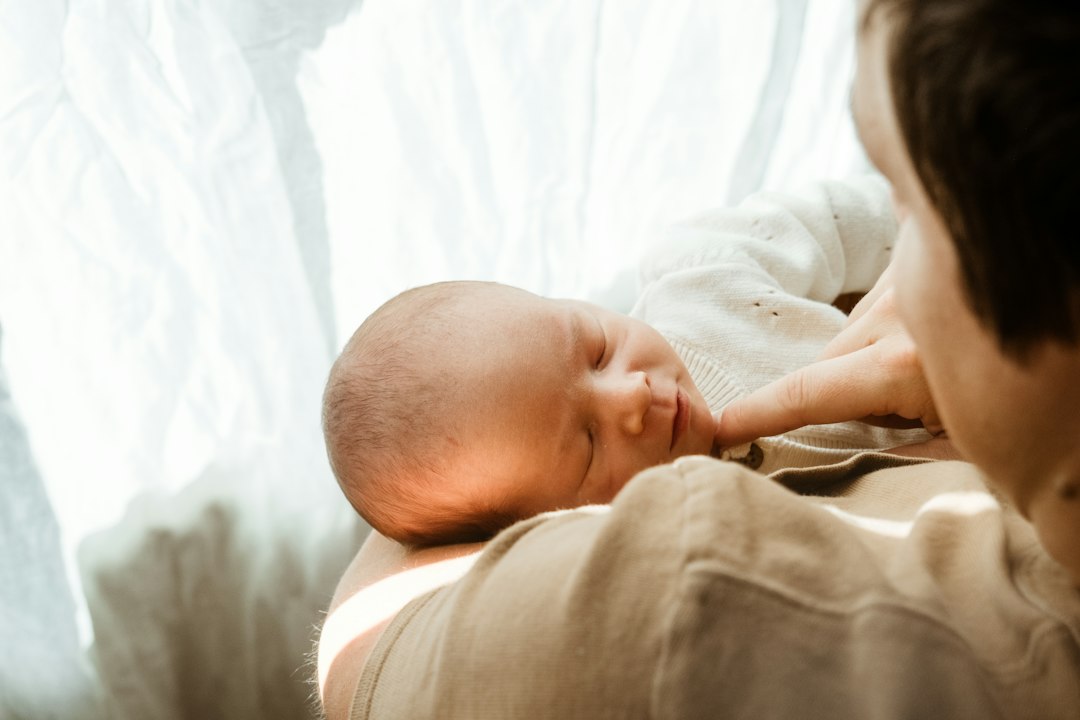
The same logic applies to nursing accessories if you’re planning to breastfeed. While a basic nursing pillow might be useful, elaborate systems, multiple pump types, or specialized storage solutions can wait. Your milk supply, your baby’s latch, and your return-to-work timeline all influence which tools actually help. Hospital lactation consultants and your pediatrician can guide you toward specific products once they see how feeding is going. Formula-feeding parents benefit from trying sample sizes of different brands before committing to bulk purchases, since babies can be particular about taste and digestion.
Soothing and Entertainment Gear
The baby gear market offers countless items promising to soothe, entertain, or occupy your infant. Swings, bouncers, activity mats, sound machines, and specialized sleepers all claim to be essential. In reality, every baby responds differently to motion, sound, and stimulation. Some infants love the rhythmic swing motion and will nap contentedly for hours; others actively dislike it and protest loudly.
Waiting to purchase these items until after birth lets you observe your baby’s temperament. Does your newborn startle easily and need a calm, quiet environment, or do they thrive with gentle background noise? Do they settle when held upright, or do they prefer lying flat? These preferences guide which soothing tools will actually get used. Many parents find that certain equipment can be purchased after observing what calms their specific child.
Borrowing or renting expensive items provides another smart option. If your friend’s swing worked wonders for their colicky baby, borrow it for a trial week before buying your own. Some baby gear rental services let you test swings, bouncers, or specialized bassinets before committing. This try-before-you-buy approach prevents the common scenario of expensive equipment gathering dust because your baby simply isn’t interested. Activity mats and play gyms also fall into this category – while most babies eventually enjoy them, the specific features and price points that work best become obvious only after you see what captures your baby’s attention.
Extended Size Items and Specialty Carriers
Baby carriers and wraps offer wonderful benefits for both parents and babies, but the ideal style depends heavily on your baby’s size, your body type, and your comfort preferences. Structured carriers, ring slings, stretchy wraps, and woven wraps each have devoted followers, yet the wrong match can be uncomfortable or impractical.
Newborn size and build vary considerably. Some babies arrive at nine pounds and quickly outgrow newborn inserts, while others need extended time in the smallest settings. Waiting to purchase a carrier until after birth means you can try different styles with your actual baby’s weight and shape in mind. Many communities have babywearing groups or retailers that offer try-on sessions where you can test multiple carriers with your infant before buying. This hands-on approach beats guessing which system will work months in advance.
High chairs represent another category where waiting pays off. While you won’t need one for months, babies grow at different rates and develop sitting stability on different timelines. Some families prefer high chairs that accommodate newborns with recline features, while others wait until their baby can sit independently and choose a simpler, space-saving design. Observing your baby’s development and your kitchen setup helps you choose the right model rather than storing an unused high chair for half a year.
To sum things up
Strategic waiting on baby gear purchases isn’t about being unprepared – it’s about being smart. You absolutely need certain items ready before your due date: a safe sleep space, a car seat for the trip home, basic clothing, and diapering supplies. But beyond those true essentials, giving yourself permission to wait reduces financial pressure and clutter while increasing the likelihood that what you do buy actually gets used.
The weeks after birth bring clarity that no amount of research can provide beforehand. You learn your baby’s preferences, your own parenting style, and which “must-have” items your particular family actually needs. Baby showers and generous relatives often provide many items you were planning to purchase anyway, making pre-birth shopping even less urgent. By approaching baby gear with a mindset of flexibility rather than completing a checklist, you create space to make thoughtful decisions based on real experience instead of marketing promises.
Trust that you can acquire what you need when you need it. In our current era of fast shipping and abundant retailers, most items can arrive within days if something becomes urgent. This reality frees you to focus on genuine preparation – building your support network, understanding infant care basics, and creating a calm environment – rather than accumulating stuff. Your baby needs you present and responsive far more than they need every gadget on the market.
Questions People Ask
How much clothing should I actually buy before my baby is born?
Plan for about five to seven onesies, five sleepers, a going-home outfit, and weather-appropriate outerwear for the first two weeks. This covers you between laundry cycles while leaving room for gifted items. Avoid buying much beyond the newborn and 0-3 month sizes initially, since growth rates vary dramatically and you’ll likely receive clothing as gifts. You can always order more once you see what sizes your baby actually wears and which styles work best for your lifestyle.
Can I really wait on a swing or bouncer without struggling?
Many parents manage perfectly well without these items, using simple positions like laid-back nursing or supervised tummy time instead. If your baby shows signs of needing extra soothing – frequent fussiness, difficulty settling, or colic symptoms – you can purchase or borrow equipment then. This approach prevents spending money on items that might sit unused while ensuring you get something tailored to your baby’s actual preferences if soothing challenges arise.
What if I need something urgently and can’t wait for shipping?
Most communities have baby stores, large retailers, or pharmacies that stock common items for immediate purchase. Target, Walmart, and similar stores typically carry bottles, basic clothing, swings, and other gear locally. For less common items, many retailers now offer same-day or next-day delivery in urban areas. Building relationships with other parents in your area also creates borrowing opportunities for urgent needs while you wait for your preferred item to arrive.
Should I wait on bottles even if I’m planning to exclusively formula feed?
Have one or two bottles and a small container of formula ready at home before birth for convenience and peace of mind, but hold off on buying in bulk. Hospitals typically provide initial feedings, giving you a few days to see how your baby responds to different nipple types and formulas. Some babies develop preferences quickly, and you’ll want to stock what actually works rather than having cabinets full of bottles your baby refuses or formula that doesn’t agree with their digestion.